
Damp patches, musty smells and dark mould spots usually point to excess moisture somewhere in the home. Cleaning the visible marks may improve the room for a few days, but the problem often returns if the moisture source remains.
A lasting fix starts with working out which type of damp you have, dealing with its cause and helping the affected area dry fully.
Understanding Damp and Mould
Damp describes unwanted moisture within walls, ceilings, floors or indoor air. Mould is a fungus that grows where moisture lingers, particularly around windows, behind furniture and in poorly ventilated bathrooms. The home moisture guide explains that controlling moisture is the main way to control indoor mould growth.
Small patches can damage paint and sealant, while prolonged damp may affect plaster, timber and furnishings. Some people also experience coughing, wheezing or irritated eyes around mould. The risk can be greater for babies, older people and anyone with asthma or a weakened immune system, so recurring growth deserves prompt attention.
Identifying the Root Causes
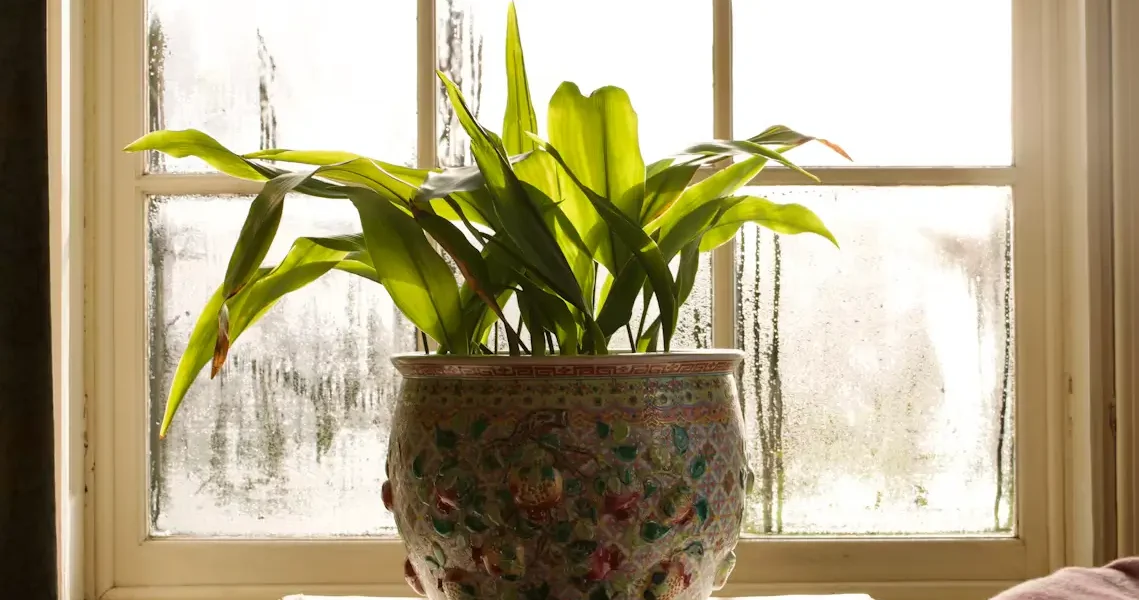
Start by noting where and when the problem appears. Condensation often forms on cold windows and external walls during winter. Penetrating damp may create a defined patch after rain, while rising damp usually affects the lower part of a ground-floor wall and may leave powdery salts behind.
Check for dripping pipes, damaged gutters, cracked exterior finishes and missing grout. In showers and around baths, split silicone can let water reach hidden surfaces. If the seal is badly damaged or difficult to remove neatly, professional mastic and silicone services can replace failed material and create a durable finish for residential or commercial areas in the South West.
Avoid diagnosing rising damp from appearance alone. Several moisture problems can produce similar stains, so persistent patches may need assessment with suitable equipment.
Effective Prevention Strategies
Reduce everyday moisture at its source. Use an extractor fan during cooking and showering, then leave it running for around 15 minutes afterwards. Keep bathroom doors closed while steam is present and wipe heavy condensation from windows each morning.
Dry clothes outdoors where possible. If you must use an indoor airer, choose a ventilated room and consider a dehumidifier. Maintain steady background warmth during colder months, since very cold surfaces encourage condensation.
Leave a small gap between large furniture and external walls so air can circulate. Check that air bricks and vents remain clear, but don’t rely on ventilation to solve an active leak. Repairing the water entry point always comes first.
Professional Remediation Steps
Seek professional help when mould covers a large area, keeps returning after cleaning or appears alongside crumbling plaster and damaged timber. A specialist should trace the moisture source before recommending treatment. Depending on the cause, work might include plumbing repairs, improved extraction, exterior maintenance or removal of water-damaged materials.
Don’t disturb extensive mould growth without suitable precautions, especially if anyone at home has breathing problems. Some damp and mould advice outlines health considerations and practical steps for affected households.
After repairs, the structure needs time to dry. Redecorating too early can trap moisture or cause fresh paint to blister, so follow measured drying guidance instead of judging the surface by touch.
Maintaining a Healthy Home
Make moisture checks part of normal home maintenance. Inspect sealant, pipe joints, gutters and roof spaces every few months, as well as after storms or freezing weather. Look behind wardrobes and beneath sinks, where slow leaks or poor airflow can remain unnoticed.
A basic humidity monitor can help you spot patterns. Indoor relative humidity often rises after showers, cooking and clothes drying, but prolonged high readings suggest that ventilation or moisture production needs attention. Clean minor surface mould with a suitable product while following its safety instructions, and never mix cleaning chemicals.
Pay particular attention to repaired areas during the next spell of wet or cold weather. If the wall stays dry and the musty smell doesn’t return, you’ll have stronger evidence that the underlying cause has been resolved.