
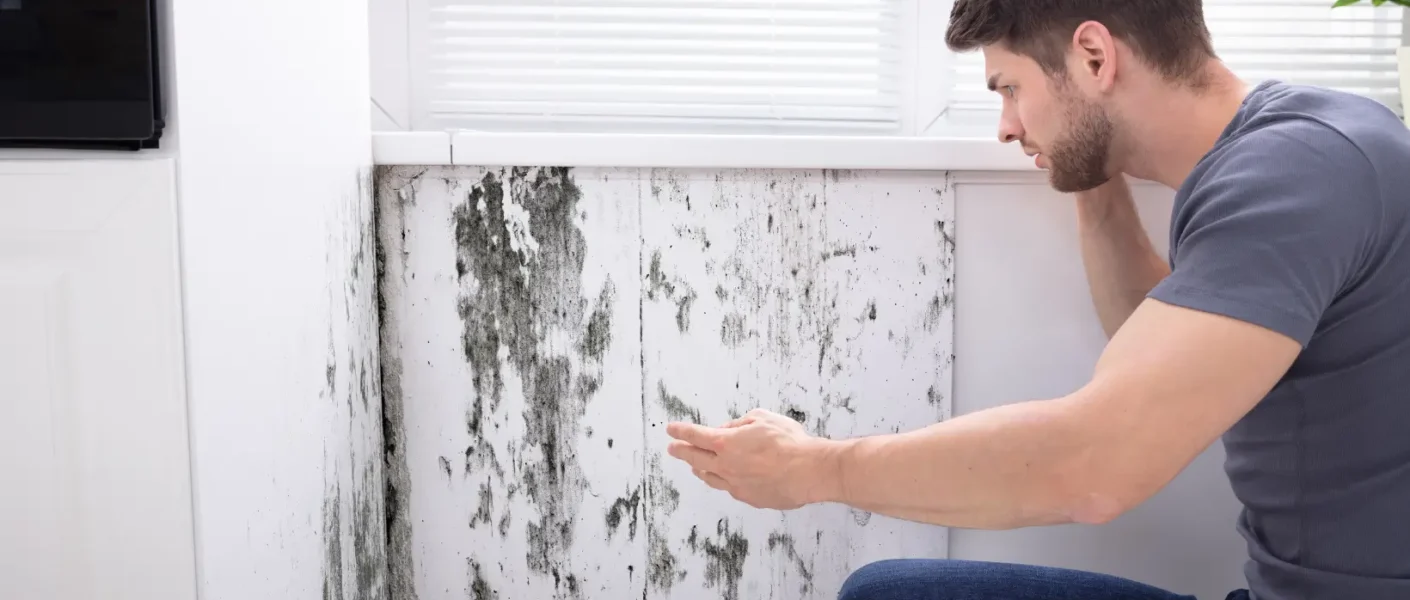
Living on the Isle of Wight brings beautiful coastal views, but it also creates specific challenges for property maintenance. Many local residents find themselves fighting a constant battle against damp inside their homes.
Spraying chemical cleaners might give a temporary fix, but the dark spots usually return within a few weeks. To find out why these common treatments fail and how you can protect your property for good, let’s take a closer look at the root causes.
Common Trouble Spots in Kitchens and Bathrooms
Bathrooms and kitchens suffer the most because of the steam they generate every day. Water easily works into the tiny cracks in tile grout and pools behind damaged silicone sealant. Once the moisture gets behind the tiles, it stays trapped in the wall and feeds the growth completely out of sight.
Cleaning porous grout with bleach only whitens the surface without killing the growth beneath. To solve this for good, many homeowners now fit white cladding sheets instead of traditional tiles. These large panels remove grout lines completely, so there are no hidden spaces where water can collect.
These smooth surfaces are easy to wipe down and keep clean. They create a solid barrier that moisture can’t get through, which stops spores finding a place to take hold. This option works well in high-use rental properties where regular upkeep can be hard to manage.
Why Island Properties Suffer from Persistent Damp
The coastal setting creates a unique set of challenges for local buildings. High humidity and salt-laden sea air mean moisture levels stay high all year, and wind-driven rain forces water through hairline cracks in masonry. Combine this with older stone or brick construction and dampness easily seeps through the external walls.
Many traditional properties on the Island, especially those built before 1920, lack modern cavity walls or a sound damp-proof course. This means water can track from wet ground straight into your internal plasterwork. Everyday activities like cooking, drying clothes indoors and showering then add to the moisture, creating ideal conditions for mould.
Cold surfaces draw water vapour out of the air. When warm, moist air touches a cold external wall, it turns back into liquid. This condensation sits on the surface and lets spores germinate, which leads to those familiar dark patches in the corners of your rooms.
Health Risks and What Landlords Must Do
Living with damp walls poses real health risks. The NHS says breathing in mould spores can trigger asthma attacks and cause respiratory infections. Babies, young children, older residents and people with existing conditions face the highest risk. Prolonged exposure can lead to ongoing coughing and a weakened immune system.
The rules for landlords have tightened, though it’s worth being clear about who they cover. Awaab’s Law came into force on 27 October 2025 and applies to social landlords in England. It sets fixed timelines to investigate and act on reported damp and mould: an investigation within 10 working days, a written summary within 3 working days of that, and safety work within a further 5 working days. The Housing Ombudsman has also made clear that damp and mould is not a “lifestyle” issue, so tenants no longer have to accept that explanation.
If you rent privately, Awaab’s Law does not apply to you yet, but your landlord still has duties under the Homes (Fitness for Human Habitation) Act 2018 and section 11 of the Landlord and Tenant Act 1985. Social landlords who miss the timelines can face court action and compensation claims, as the duties are written into the tenancy agreement. Either way, quick cover-up jobs with standard paint are no longer good enough.
Effective Ways to Stop Mould for Good
Masking the problem with anti-mould paint or constant scrubbing won’t work over the long term. You need to improve the airflow through the building to lower the humidity indoors. Fitting continuous mechanical extract ventilation in wet rooms helps pull moisture out before it settles on cold walls.
For older properties with solid stone walls, a positive input ventilation system offers a reliable solution. These units push fresh, drier air through the house to replace the damp air, which stops stagnant pockets forming in dead corners and behind large furniture. With solid stone and lime-built walls, it’s also worth keeping the wall breathable, as sealing it with impermeable coatings can trap moisture inside the fabric.
You should also check the exterior brickwork for cracks and clear blocked gutters to stop water soaking into the structure. Making sure external ground levels sit below the damp-proof course will help prevent rising damp from ruining your internal decorations.
The Final Take
Dealing with damp on the Isle of Wight means moving away from quick fixes and temporary sprays. You have to work out whether the problem comes from structural defects or poor airflow. Addressing the root cause protects both the fabric of the building and the health of the people inside.
Combining structural repairs with non-porous wall materials means the problem doesn’t return next winter. Landlords and homeowners alike need to take proactive steps to keep their properties dry, safe and comfortable for the future.