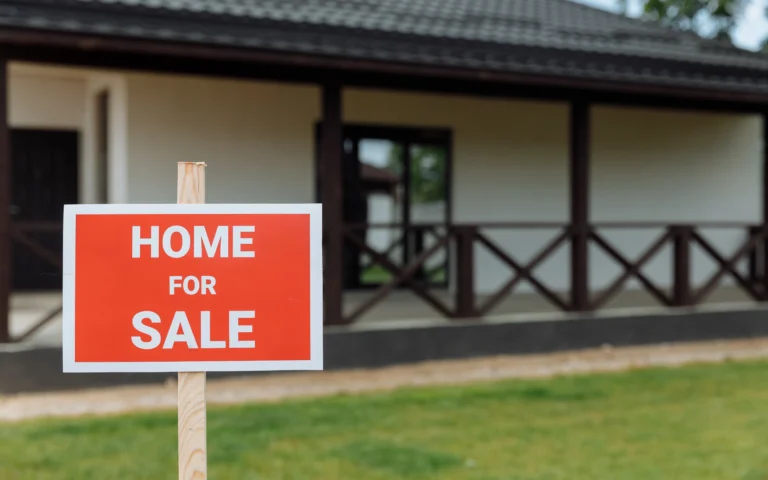
The final sale price tells only part of the story when you sell a property. Agent charges, legal costs, repairs, and delays can remove a significant amount from the proceeds. Protecting your margin starts with a realistic budget and a clear plan for presenting, pricing, and listing the home. Focus on the amount you’ll keep …
How to Boost the Value of an Equestrian Property
An equestrian property gains value when its land, buildings and access routes are safe, practical and visibly well maintained. Buyers will assess far more than the house itself. They’ll look at pasture condition, fencing, drainage and the amount of work required before horses can move in. Addressing these areas protects the property’s appeal while reducing …
The Landlord Guide to Tenant-Proof Garden Design
A rental garden needs to cope with changing routines, varied gardening experience and occasional periods of neglect. The simplest designs use hard-wearing surfaces, clearly defined planting areas and features that need little seasonal attention. This keeps the space welcoming for tenants while reducing the risk of costly work between occupancies. Before changing anything, record the …
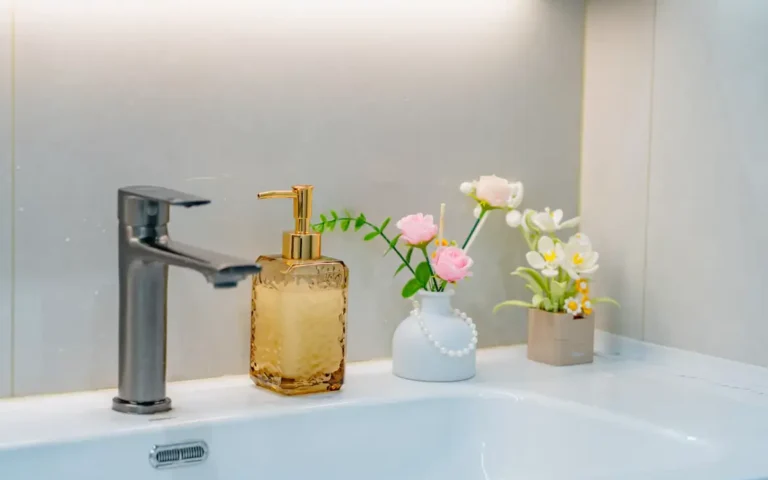
When Traditional Bathroom Refurbishments Fall Short
A bathroom refurbishment can look polished yet still fail to solve problems such as poor storage, lingering condensation and an uninspiring daily routine. Replacing a tired suite and fitting new tiles will improve appearances, but lasting results come from considering how the whole room works. Current bathroom renovation trends show growing interest in practical layouts, …
Why Property Investors Should Look Beyond Major Cities
Property investors often concentrate on major cities because demand, sales evidence and local services are easy to assess. Yet high purchase prices can restrict yields and leave a portfolio exposed to a single employment market. Regional towns and smaller cities may offer a useful counterbalance, provided each purchase rests on local evidence. Diversification still requires …
Rental Property Upgrades That Protect Your Tenants
Small property upgrades can prevent serious injuries, reduce emergency repairs and show tenants that safety concerns receive proper attention. Bathrooms, kitchens and utility areas deserve particular care because water, smooth surfaces and worn fittings often combine to create avoidable hazards. A planned inspection every six months, supported by prompt repairs between visits, helps landlords spot …
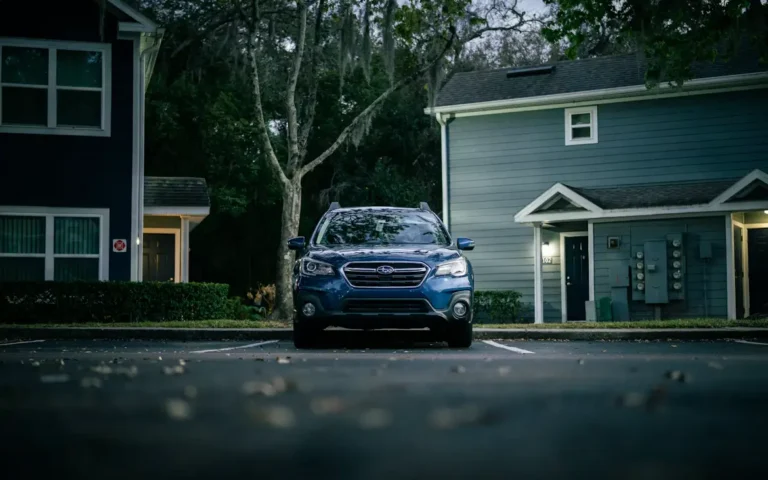
Resolving Neighbourhood Congestion: Modern Residential Parking Strategies
Residential parking problems often begin with a simple mismatch between the number of spaces available and the number of people trying to use them. Poor signage, unmanaged visitor parking and unclear rules can make that mismatch feel even worse. The result may be blocked access, frustrated neighbours and vehicles circulating through nearby streets in search …
How to Protect the Long-Term Value of Property and Vehicles
Property and personal transport are among the largest purchases many households make, so their long-term value deserves close attention. Purchase price matters, but condition, running costs and future demand can have an equally strong effect on the final return. A clear assessment of quality and a sensible maintenance plan can protect both types of asset …
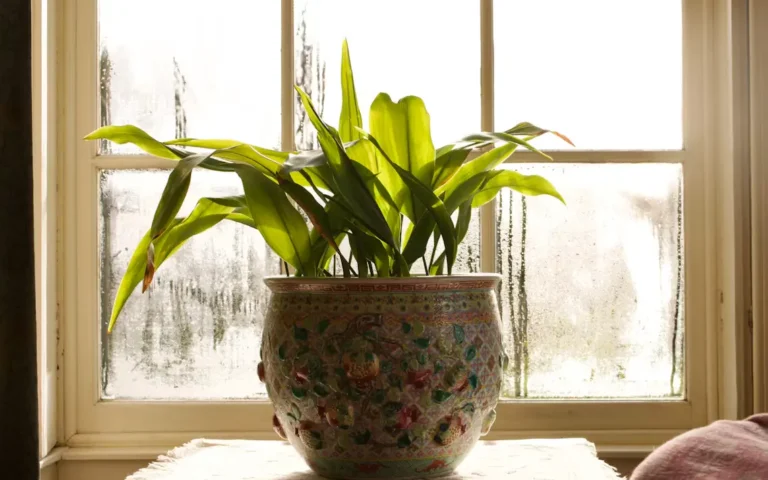
Solving Common Damp and Mould Issues in Your Home
Damp patches, musty smells and dark mould spots usually point to excess moisture somewhere in the home. Cleaning the visible marks may improve the room for a few days, but the problem often returns if the moisture source remains. A lasting fix starts with working out which type of damp you have, dealing with its …