
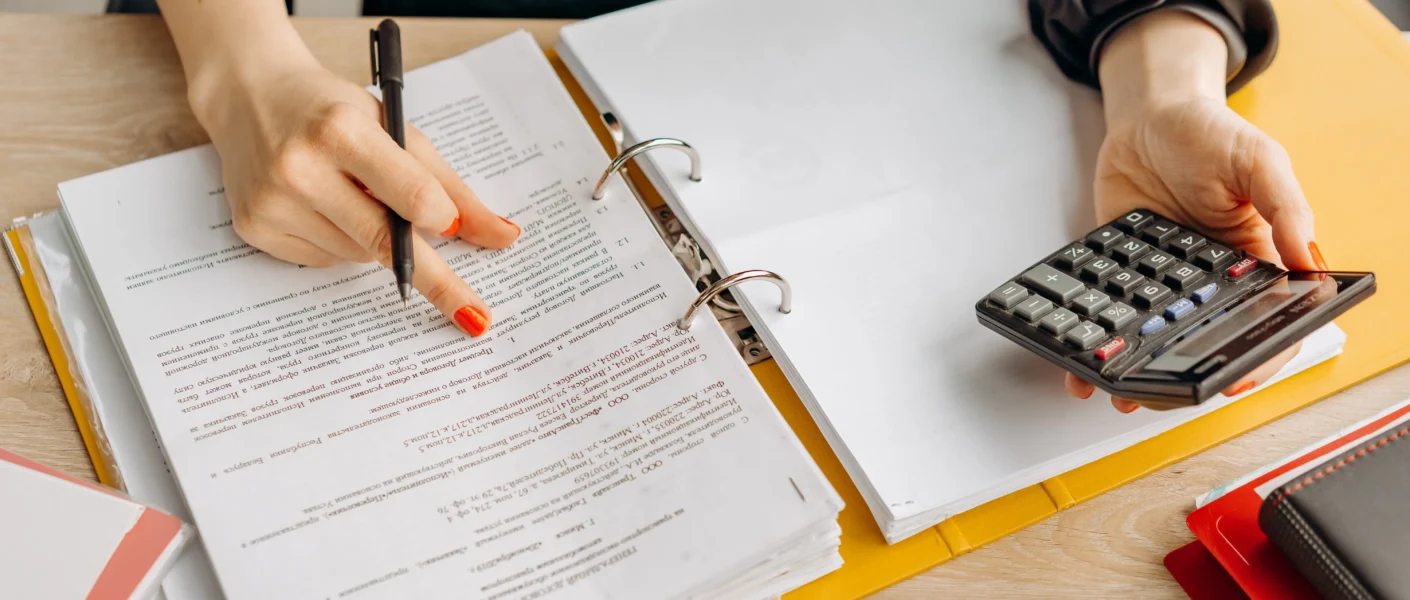
Property and personal transport are among the largest purchases many households make, so their long-term value deserves close attention. Purchase price matters, but condition, running costs and future demand can have an equally strong effect on the final return. A clear assessment of quality and a sensible maintenance plan can protect both types of asset for years.
Investing for Enduring Returns
Long-term value starts with selecting an asset that meets a lasting need. Property buyers should examine local demand, transport connections, energy efficiency and the likely cost of repairs. The principles behind long-term property investment also favour patient ownership, where rental income or gradual growth has time to offset initial costs.
Apply similar thinking to personal transport. Consider reliability, efficiency, insurance and expected resale demand alongside the purchase price. A cheaper option may cost more over five years if it needs frequent repairs or loses value quickly. Before committing, estimate the total cost of ownership across the period you expect to keep the asset.
Enhancing Property for Future Gains
Target improvements that solve practical problems and appeal to a broad range of future occupants. Repairing a leaking roof, upgrading insulation and replacing an unreliable heating system usually protects value more effectively than highly personalised decoration. Keep invoices, guarantees and photographs because they provide useful evidence when you later sell or arrange a valuation, especially if you have inherited property.
Large projects need closer financial scrutiny. Current property investing insights show why owners must consider financing conditions and changing market demand. Request several quotations, allow a contingency of around 10% and check whether the likely gain supports the cost. Improvements should also make the home cheaper or easier to run while you own it.
Quality Assurance for Vehicles
A used vehicle’s history and condition shape its future reliability. Buyers considering Jaguar approved used vehicles can review the programme’s inspection process, warranty cover and roadside assistance before deciding whether a particular car meets their needs. Check the terms for the specific vehicle, including warranty exclusions and servicing requirements, and retain all relevant paperwork to support future maintenance and resale.
Whatever model you choose, inspect its service record, mileage and general wear. Confirm that identification details match the documents and ask what the warranty covers, including its exclusions and claim process. An independent inspection can also reveal developing issues that may not appear during a short test drive.
Maintenance for Sustained Performance
Create a maintenance calendar as soon as an asset becomes yours. For a home, include annual heating checks, gutter clearing, roof inspections and regular testing of alarms. Small faults need prompt attention because a loose roof tile or slow plumbing leak can lead to damaged plaster, flooring and insulation.
Vehicles also benefit from regular checks between scheduled services. Monitor fluid levels, tyre pressure, tread depth, lights and unusual dashboard warnings. Retain service invoices and record the date and mileage of each visit. A complete file helps technicians understand previous work and gives a future buyer evidence of consistent care. Set aside a monthly maintenance sum so predictable expenses don’t become disruptive surprises.
The Full Lifecycle Value
Lifecycle value covers purchase, use, maintenance and eventual sale. Build a simple record of the asset’s initial cost, finance charges, improvement spending, servicing and insurance. For property, include periods without rental income if relevant. For transport, add fuel or charging costs, annual servicing and depreciation. Reviewing those figures once a year can show when expenses are beginning to outweigh the benefit of ownership.
Timing also affects the result. Selling immediately after major spending may leave little opportunity to recover the cost, while delaying too long can expose you to another cycle of repairs. Good records make that decision more concrete. When the time comes to sell, a well-kept home or vehicle supported by dated paperwork gives buyers fewer reasons to question its condition or negotiate heavily.