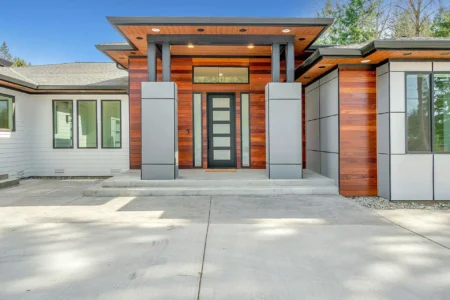
Rental Property Upgrades That Protect Your Tenants

Small property upgrades can prevent serious injuries, reduce emergency repairs and show tenants that safety concerns receive proper attention. Bathrooms, kitchens and utility areas deserve particular care because water, smooth surfaces and worn fittings often combine to create avoidable hazards. A planned inspection every six months, supported by prompt repairs between visits, helps landlords spot …


How to Protect the Long-Term Value of Property and Vehicles

Property and personal transport are among the largest purchases many households make, so their long-term value deserves close attention. Purchase price matters, but condition, running costs and future demand can have an equally strong effect on the final return. A clear assessment of quality and a sensible maintenance plan can protect both types of asset …

Property Investment: New Builds vs. Established Homes

A property’s age can influence its purchase price, running costs, rental appeal and the amount of work it needs before it produces an income. New builds often offer predictable expenses and modern specifications, while established homes may provide more scope to add value through careful improvements. Neither option guarantees a better return. The strongest choice …

7 Practical Home Improvements That Make Rental Properties Easasier to Manage

Improving a rental property does not necessarily mean installing an expensive designer kitchen or completely redesigning every room. For landlords, some of the most effective improvements are those that make the property durable, comfortable and easier to maintain. This is especially useful for owners using professional landlord services or managing multiple properties. Here are seven …

The Breadbasket of Europe: A Strategic Guide to Investing in Ukraine’s Agricultural Sector

The Ukrainian agricultural sector has evolved from a traditional “breadbasket” into a sophisticated, high-yield investment landscape. As of early 2026, the market has matured significantly, driven by the 2024 liberalization that allowed legal entities to enter the land market. This shift has transitioned agricultural assets from speculative plays into long-term institutional holdings with predictable, data-backed …