
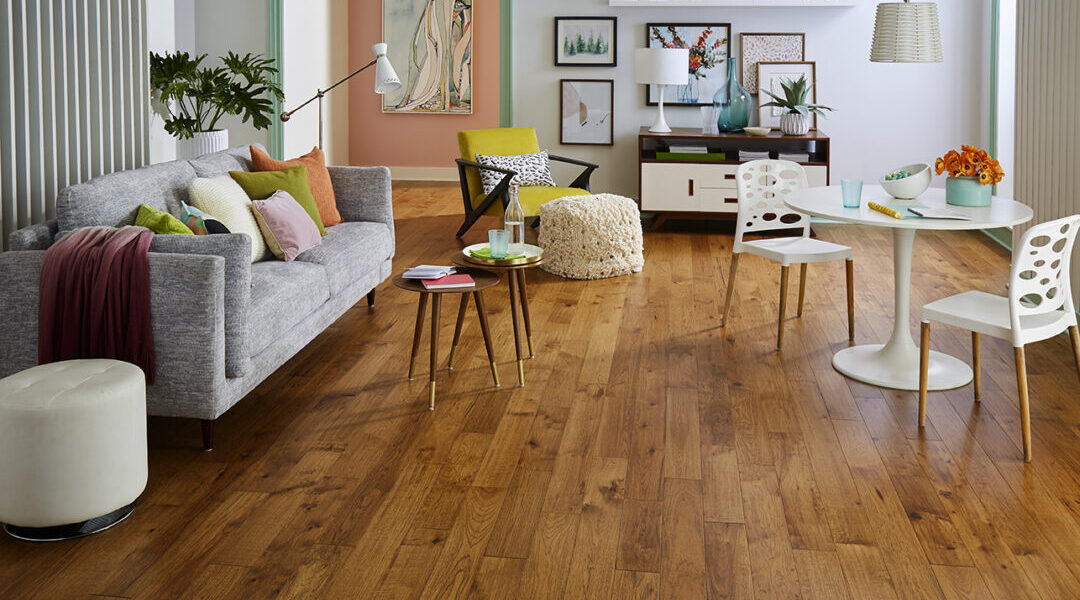
European oak flooring is loved for its soft grain, warm natural color, and high-end look. It can make a home feel calm, elegant, and beautifully finished without looking too formal. But like any real wood floor, it needs the right care.
The good news is that European oak is not difficult to maintain, according to Bergamo Floors. You do not need a complicated cleaning routine. What matters most is using the right products, avoiding too much water, and building a few simple habits that protect the floor from scratches, dullness, and moisture damage.
Start with regular dust removal
The easiest way to protect European oak flooring is to remove dust, dirt, and small debris often. Tiny pieces of sand and grit can act like sandpaper when people walk across the floor. Over time, that can wear down the finish and create small scratches.
A microfiber dust mop is one of the best tools for daily or weekly cleaning. It picks up fine dust without being harsh on the surface. A soft broom also works, but avoid stiff bristles that may scratch the finish.
You can also vacuum European oak floors, but use a hardwood floor setting. Turn off the rotating brush roll if your vacuum has one. A beater bar can damage the finish, especially on softer matte or oil-finished floors.
Use less water than you think
European oak is real wood, so water should always be used carefully. Even engineered European oak is not waterproof. The layered construction may make it more stable, but the surface is still wood.
When mopping, the mop should be damp, not wet. If water drips from the mop, it is too wet. A good rule is that the floor should dry within a minute or two after cleaning.
Standing water can cause swelling, staining, cupping, or finish damage. This is especially important near kitchens, entryways, pet bowls, and sliding doors.
Never soak the floor. Never use a steam mop. Steam pushes heat and moisture into the wood, which can damage both the finish and the flooring itself.
Choose the right cleaner
Use a pH-neutral hardwood floor cleaner made for real wood floors. These cleaners are gentle enough for the finish and strong enough for normal household dirt.
Avoid harsh cleaners, bleach, ammonia, vinegar, wax, oil soap, and all-purpose cleaners unless the flooring manufacturer specifically approves them. These products can dull the finish, leave residue, or slowly break down the protective surface.
Vinegar is often recommended online as a natural cleaner, but it is not always safe for hardwood floors. It is acidic and can make the finish look dull over time.
If your European oak floor has a special finish, such as hardwax oil or natural oil, follow the manufacturer’s cleaning instructions closely. Oil-finished floors may need different cleaning products than polyurethane-finished floors.
Clean spills right away
Spills are normal, especially in kitchens, dining rooms, and busy homes. The key is to clean them quickly.
Use a soft cloth or paper towel to blot the spill. Do not rub aggressively. For sticky spots, use a damp cloth with an approved hardwood cleaner, then dry the area with a clean towel.
Water, juice, coffee, wine, pet accidents, and cooking liquids should not sit on the floor. Even if the finish protects the surface, moisture can still find its way into seams, scratches, or small gaps.
This does not mean European oak is too delicate for real life. It just means it should be treated like wood, not tile.
Protect the floor from furniture scratches
Furniture can cause deep scratches if it is dragged across the floor. Always lift furniture when moving it. For chairs, tables, sofas, beds, and cabinets, use felt pads under the legs.
Check those pads every few months. They collect dirt and can wear down over time. A dirty or flattened felt pad can scratch the floor instead of protecting it.
Dining chairs are especially important because they move constantly. If you have European oak flooring under a dining table, good chair pads are a must.
For heavy furniture, use wider protectors that spread the weight more evenly. This helps reduce dents and pressure marks.
Use rugs in the right places
Rugs are one of the easiest ways to extend the life of European oak flooring. They protect high-traffic areas and make the home feel more comfortable.
Good places for rugs include:
- Entryways
- Hallways
- Kitchen sink areas
- Dining areas
- Living room seating areas
- Pet feeding areas
- Under office chairs
Use rug pads that are safe for hardwood floors. Some cheap rubber or plastic pads can react with the finish and leave marks. Look for breathable, non-staining rug pads made for wood flooring.
Avoid rugs with rough backing, especially in areas where the rug may shift.
Be careful with shoes
Shoes can bring in dirt, small stones, water, and grit. High heels can also dent real wood floors because they place pressure on a very small area.
A no-shoes or soft-shoes habit can make a big difference, especially in homes with light European oak floors. Place mats near entrances so people can wipe their feet before walking inside.
If you do wear shoes indoors, clean entry mats often. A dirty mat can stop working and start transferring grit onto the floor.
Keep pet nails trimmed
European oak can work well in homes with pets, but dog nails can leave scratches, especially on smooth floors. Keeping nails trimmed helps protect the finish.
A matte or wire-brushed European oak floor usually hides small marks better than a glossy smooth floor. Still, regular pet care makes a big difference.
Place mats under food and water bowls. Water bowls are a common cause of flooring damage because small splashes happen daily. A waterproof mat can prevent moisture from sitting on the wood.
Clean pet accidents quickly and use a cleaner approved for hardwood floors. Avoid harsh disinfectants unless the manufacturer says they are safe for your floor finish.
Control indoor humidity
Wood naturally expands and contracts when humidity changes. European oak is more stable than some woods, especially when engineered, but it still responds to moisture in the air.
Try to keep indoor humidity in a comfortable, steady range. Many hardwood flooring professionals recommend roughly 35% to 55% relative humidity, though your flooring manufacturer may have its own guidance.
When the air is too dry, wood can shrink and create small gaps. When the air is too humid, wood can expand, cup, or feel slightly uneven.
In dry seasons, a humidifier can help. In humid seasons, air conditioning or a dehumidifier may be useful. The goal is not perfection. The goal is avoiding extreme swings.
Understand your floor finish
European oak flooring can come with different finishes, and maintenance depends on the finish.
A polyurethane finish creates a protective coating on top of the wood. It is usually easier to clean and maintain. Most homeowners only need regular sweeping, occasional damp mopping, and approved cleaner.
An oil or hardwax oil finish penetrates the wood and gives it a more natural look. These floors can be beautiful, but they may need special cleaning products and occasional maintenance oil.
A UV-cured factory finish is applied before installation and is usually very durable. Many prefinished European oak floors use this type of finish.
Before using any cleaner, polish, or maintenance product, check what finish you have. The wrong product can leave residue, dull the surface, or make future refinishing harder.
Avoid polish and wax unless approved
Many homeowners use polish because they want the floor to look shiny and new again. This can be risky.
Some polishes leave a film that builds up over time. That film can attract dirt, create uneven shine, or make the floor slippery. Wax can also cause problems if the floor was not designed for wax.
If your floor looks dull, it may need a proper cleaning, a finish refresh, or professional maintenance. Adding random products from the store can make the problem worse.
Use only products recommended for your specific floor finish.
Watch sunlight and fading
European oak can change color over time when exposed to sunlight. This is normal for real wood. Some floors become warmer, lighter, darker, or more golden depending on the finish and sunlight exposure.
Use curtains, shades, or UV-protective window film in rooms with strong direct sun. Also move rugs and furniture occasionally during the first year so the floor ages more evenly.
If one area is covered by a rug for a long time and the surrounding floor gets sunlight every day, the color difference may become noticeable when the rug is moved.
Do not ignore small damage
Small scratches, dents, or dull spots are easier to deal with early. If a scratch only affects the finish, it may be improved with a touch-up product or professional screen and recoat.
If the damage goes into the wood, the repair may require more work. For engineered European oak, repair options depend on the thickness of the wear layer.
Deep gouges, water stains, or damaged boards should be looked at by a flooring professional. Sometimes one board can be replaced. Sometimes the area can be repaired without redoing the whole floor.
The sooner you address damage, the easier it usually is to fix.
How often should you clean European oak floors
For most homes, a simple routine works well.
Dust mop or vacuum a few times a week in busy areas. Damp mop only when needed, usually weekly or every couple of weeks, depending on traffic. Clean spills immediately.
High-traffic homes may need more frequent dust removal. Quiet rooms may need less.
The goal is not to over-clean. Too much wet cleaning can be worse than a little dust. A dry microfiber mop used often is usually better than constant damp mopping.
Best maintenance habits for long-term beauty
The best care routine is simple and consistent. Keep grit off the floor. Use the right cleaner. Avoid standing water. Protect furniture legs. Use rugs where traffic is heavy. Keep pet nails trimmed. Control humidity as much as possible.
European oak flooring is meant to be lived on. It does not need to look perfect every second to be beautiful. In fact, part of its charm is the natural character it develops over time.
A well-maintained European oak floor ages gracefully. It gains warmth, depth, and personality. With the right care, it can stay beautiful for many years while still feeling natural, comfortable, and real.