
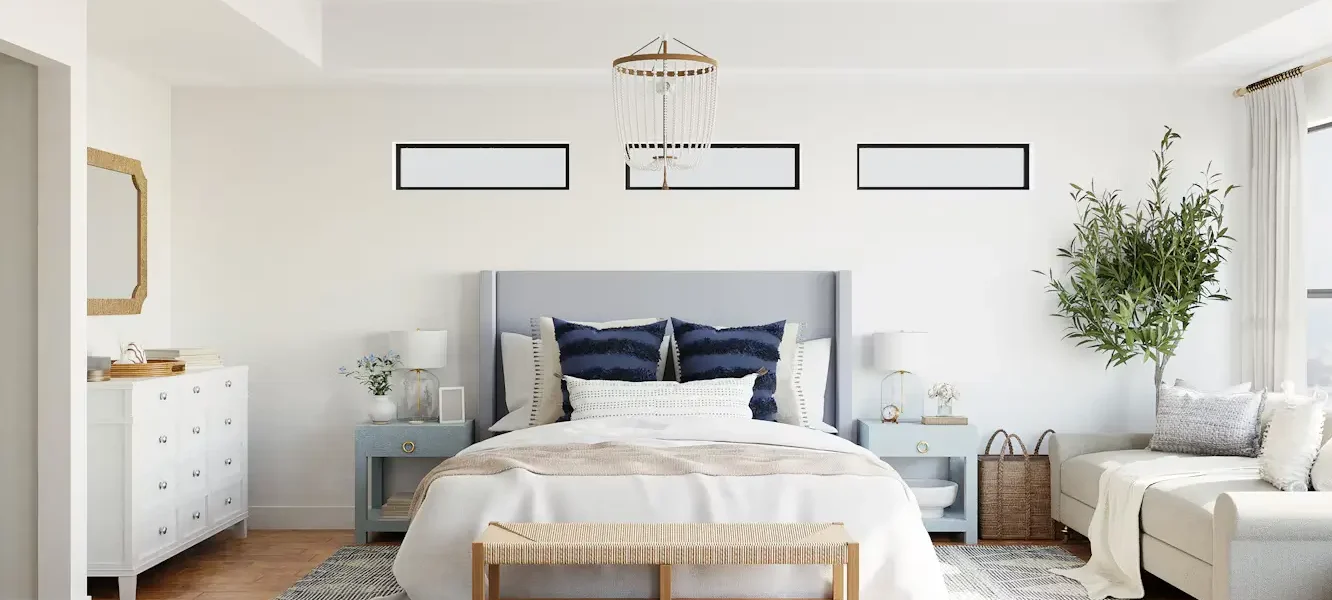
Built-in storage can make a rental home easier to live in, simpler to maintain and more appealing at viewings. For landlords, the value extends beyond tidy rooms. Well-planned cupboards and wardrobes can reduce furniture damage, protect the property’s finishes and help a home stand out among similar listings.
The financial case still needs careful thought. A fitted unit costs more upfront than a basic freestanding alternative, so its dimensions, materials and position should support the needs of likely tenants for many years.
Why Tenants Prioritise Storage
Storage affects how spacious a rental feels in daily use. A bedroom may look generous when empty, yet become cramped once a tenant adds a wardrobe, drawers and boxes. Built-in units keep more of the floor clear and can use awkward areas such as alcoves, sloping ceilings and the space above eye level.
Tenant preferences vary, but build-to-rent storage priorities show why practical features can carry real weight when people compare homes. A tenant viewing two similar flats may favour the one with a full-height bedroom wardrobe and a hall cupboard because moving in will require less furniture. That convenience is especially useful in compact homes where every square metre matters.
Good storage should match the room. In a bedroom, include a mix of hanging rails, shelves and space for luggage. Hall cupboards benefit from hooks, adjustable shelves and room for a vacuum cleaner. In a family home, a cupboard near the entrance can hold coats, school bags and shoes without clutter reaching the living areas.
Avoid filling every available wall. Tenants still need flexibility for a desk, cot or favourite chest of drawers. Focus on one or two high-value locations and check that doors, drawers and access routes remain comfortable when the room is furnished.
Calculating Your Initial Outlay
Start by measuring the opening accurately, including skirting, ceiling height and any sockets or radiators. Fitted furniture prices depend on width, internal layout, door style, finish and site conditions. An alcove with uneven walls may need more preparation than a straight run across a modern bedroom.
A published guide to the cost of fitted wardrobes can provide a useful starting point when setting a project budget and speaking to local tradespeople. You should still request itemised quotations based on the actual room. Ask each contractor to separate the unit, installation, removal of existing furniture, electrical work and decorating so that you can compare like with like.
Allow a contingency of around 10% for minor surprises, particularly in older properties. Loose plaster, uneven floors or concealed cables can affect fitting time. Clarify who will repair disturbed paintwork and dispose of packaging before work begins.
It also helps to calculate cost per expected year of service. A £2,400 installation used for 12 years works out at £200 per year before repairs. That figure gives a clearer comparison with replacing a £450 freestanding wardrobe several times after moves, breakages or changes in room layout. Keep the design simple enough for future tenants and choose standard hinges and handles that can be replaced without ordering bespoke parts.
Durability Over Flat-Pack Units
Rental furniture faces frequent use and regular changes of occupant. Freestanding flat-pack units can loosen when they’re moved, especially if fixings pass repeatedly through chipboard. Back panels may bow, drawer runners can shift and exposed edges are vulnerable to moisture from cleaning or condensation.
A properly installed built-in wardrobe distributes its load across a stable frame and can be scribed neatly to the room. Durable finishes such as quality laminate or painted moisture-resistant MDF are usually easier to wipe down between tenancies. Soft-close hinges can reduce impact on doors, although standard, readily available fittings may be more economical to repair.
Practical smart storage solutions also depend on the internal arrangement. Adjustable shelves give tenants room for folded clothes, linen or storage boxes without requiring structural alterations. Strong rails need secure brackets, while deep shelves should have enough support to prevent sagging.
Inspect the details before approving a design. Check the thickness of shelving, the load rating of runners and the availability of replacement handles. Ask how exposed edges will be sealed and how the installer will allow ventilation against cold external walls. A narrow gap or suitable vent can reduce stale air behind stored clothes.
Durability doesn’t remove the need for maintenance. Add hinges, runners and door alignment to the check-in and check-out inspection. Tightening a loose fixing promptly is far cheaper than replacing a door after it drops and damages the frame.
Protecting Walls and Skirting
Tenants who arrive without storage often bring large freestanding wardrobes or assemble new units inside the property. Moving these items through corridors can mark paintwork and door frames. Once in place, they may rub against walls, trap condensation or require anti-tip fixings that leave holes.
Built-in storage provides a permanent location for bulky belongings and reduces the repeated movement of heavy furniture. The installer can also finish around skirting boards neatly, avoiding the uneven gaps that collect dust behind freestanding pieces. If the room has decorative or original skirting, discuss a reversible installation that preserves sections for future reinstatement.
Ventilation needs particular attention on an external wall. Keep the unit away from signs of damp, repair leaks first and avoid sealing an uninsulated cold surface behind a completely airtight cabinet. Doors with discreet vents or a designed airflow gap may be appropriate, depending on the room and construction.
Plan services before installation too. Don’t hide sockets, isolation switches or heating controls where they can’t be reached. If a socket must move, use a qualified tradesperson and record its new position in the property file. Photograph walls before the unit is fitted, including pipe and cable routes where known.
These details help built-in furniture protect the room instead of creating a maintenance problem. They also make future repairs easier because the landlord, managing agent and contractor can see how the installation connects to the building.
Long-Term Rental Yield Gains
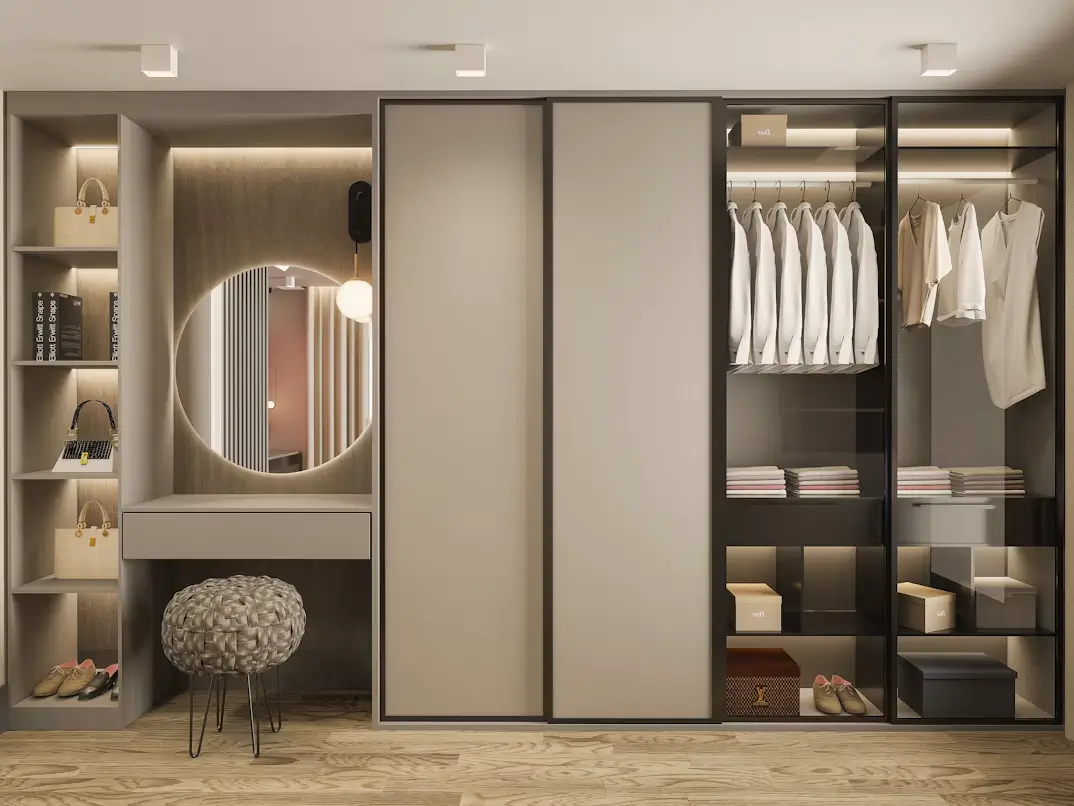
Storage may support rental performance in several ways, but it shouldn’t be treated as an automatic route to a higher rent. Its first benefit is often stronger presentation. Clear floors, uncluttered bedrooms and useful cupboards photograph well and help viewers understand how their belongings will fit.
Guidance on storage upgrades and income highlights the link between usable space and a property’s appeal. Separate analysis of income from storage also shows why investors assess storage as a practical property amenity. The exact return will depend on local demand, the type of home and the quality of the work.
Track the result using your own records. Compare enquiry levels, viewing feedback, vacant days and achieved rent with similar properties that lack fitted storage. If several applicants mention the wardrobes positively, that’s useful evidence when planning improvements elsewhere in the portfolio.
Calculate the payback conservatively. Suppose a £2,400 wardrobe contributes to an extra £25 per month in achievable rent. The simple payback period would be eight years, before maintenance, tax and periods without a tenant. The project may still be worthwhile if it also reduces wall repairs and avoids buying replacement furniture, but those savings should be recorded instead of assumed.
Choose neutral doors, straightforward handles and flexible interiors to preserve that value. A full-height unit in a main bedroom will usually serve more tenants than highly specialised shelving designed around one person’s possessions. Before approving the work, review the room as a tenant would: open every door, check the hanging depth and confirm that the remaining floor space can take a bed and bedside furniture comfortably.
A successful installation should still look appropriate after several tenancies. That is the clearest sign that the initial outlay has become a lasting part of the home instead of another item waiting to be replaced.