
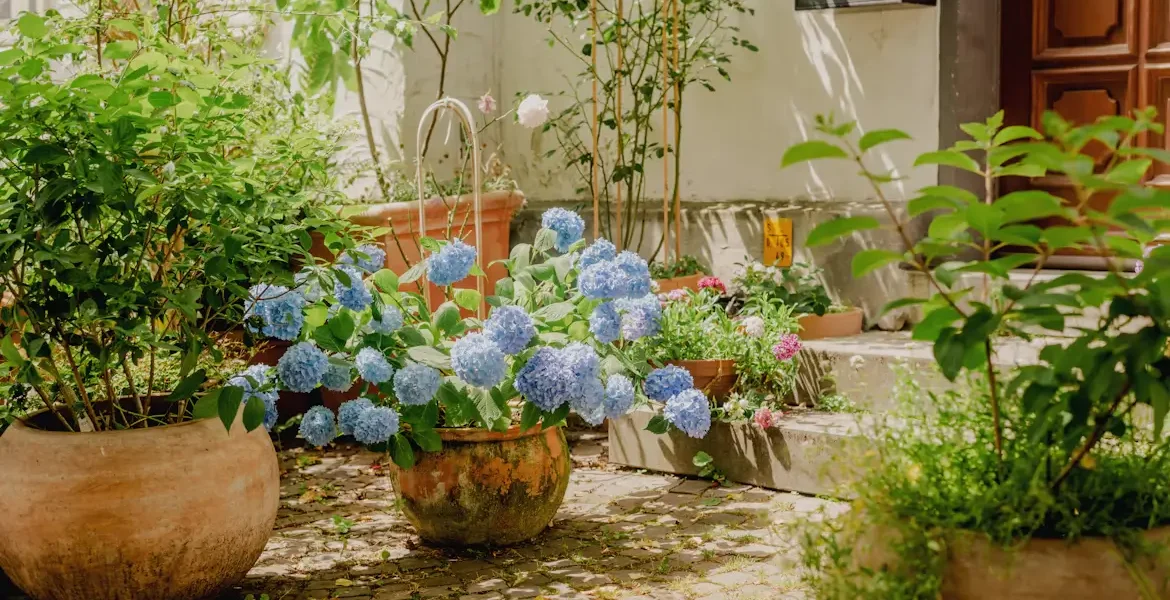
A well-planned garden can give tenants more usable space and fewer reasons to outgrow a rental home. Secure storage, defined seating areas and easy-care planting all support everyday life without creating a demanding maintenance schedule. For landlords, these practical improvements can protect the property’s condition and make renewing a tenancy feel like the simplest choice.
The Real Expense of Tenant Turnover
An empty property brings more costs than a few weeks of lost rent. Cleaning, advertising, viewings, minor repairs and reference checks can quickly add up, while staff or agents spend time preparing for a new tenancy. Guidance on tenant retention value also highlights the connection between stable occupancy and predictable property income.
Outdoor improvements can support retention when they solve genuine problems. A secure place for belongings or a comfortable spot to sit gives tenants extra value every day. Before spending heavily, ask current tenants which garden issues affect them most. Their answers may reveal that better lighting or storage would be more useful than an elaborate redesign.
Functional Storage for Growing Families
Family belongings tend to multiply. Bicycles, pushchairs, outdoor toys and gardening tools can soon crowd a hallway or spare room, especially when there’s no garage. Suitable wooden garden sheds give these items a dedicated home and help tenants keep both the garden and interior tidy.
Choose a structure that fits the plot without taking over the lawn. It needs a level base, a weatherproof roof and a door wide enough for bulky items. A strong lock and clear responsibility for routine care should also be covered in the tenancy agreement. Leave enough room around the sides for inspections and maintenance. This prevents damp vegetation from pressing against the timber and makes small repairs easier to complete.
Creating Usable Outdoor Living Zones
Tenants are more likely to value a garden when it supports normal daily routines. A small paved area near the house can hold a table and chairs, while an open section of lawn gives children room to play. Keeping routes between these zones clear makes the whole space feel larger and easier to use.
Practical tenant retention measures often focus on comfort, communication and useful shared features. The same thinking applies outdoors. Add low-energy lighting beside steps and paths, provide a convenient outdoor tap and place bins where they’re accessible without dominating the view. Avoid creating too many separate zones in a compact garden, as narrow leftover spaces often become awkward maintenance spots.
Balancing Aesthetics With Practicality
A rental garden should look welcoming without requiring expert care every weekend. Use durable paving, simple lawn shapes and hardy plants suited to the amount of sun the plot receives. Large borders may look impressive at first, but they can become difficult for a busy household to manage. Containers or a few clearly defined beds are often easier.
The tenant-proof garden design guide offers further ideas for reducing upkeep and protecting outdoor features. Agree who will mow, prune and clear leaves, then provide straightforward instructions for any less familiar plants. Once the essentials are in place, a bench, neat storage area or sheltered seating corner can give the garden a sense of permanence that tenants will enjoy throughout the year.
A garden that remains useful through changing family needs gives people fewer reasons to look elsewhere. Focus first on the feature that removes a daily frustration, then make sure it’s simple to maintain for both the tenant and the next household.