
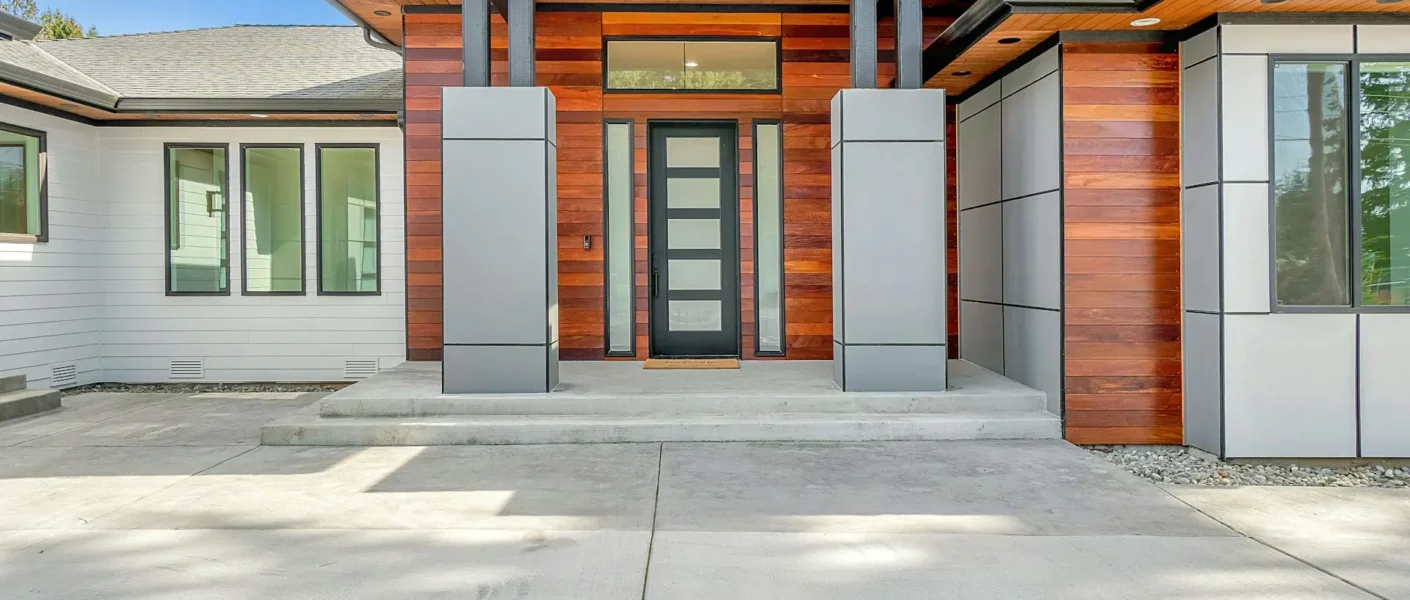
A property’s age can influence its purchase price, running costs, rental appeal and the amount of work it needs before it produces an income. New builds often offer predictable expenses and modern specifications, while established homes may provide more scope to add value through careful improvements.
Neither option guarantees a better return. The strongest choice will depend on local demand, your budget, the time you can commit, and how long you plan to hold the property.
Understanding Investment Potential
Start by assessing the property as a financial asset. Purchase price matters, but it sits alongside rental income, service charges, maintenance, insurance, financing costs, and periods without a tenant. A less expensive home can become costly if repairs absorb several years of profit.
Calculate the gross rental yield by dividing expected annual rent by the purchase price, then multiplying the result by 100. A £250,000 property producing £15,000 in annual rent has a gross yield of 6%. You’ll need a net calculation that deducts recurring costs to gain a more realistic figure.
The comparison should also reflect your preferred investment model. Guidance on new construction investment highlights factors such as lower early maintenance needs, modern features and possible development premiums. Established properties can perform equally well where they occupy sought-after streets or offer room for improvement.
Check comparable sale prices and achieved rents, not only advertised figures. Local agents can also explain which property sizes attract the widest pool of tenants.
Benefits of a New Build Purchase
New builds provide greater cost certainty during the first few years of ownership. Modern heating, insulation and glazing can reduce energy use, while new fixtures are less likely to need immediate replacement. Warranties may cover qualifying construction defects, though buyers should read their scope, exclusions and claim procedures carefully.
Investors also avoid the delay of completing major improvements before marketing the home. This can help a property begin generating income sooner, subject to the development’s completion date and any final inspections. Contemporary layouts, good broadband provision and efficient heating may appeal to tenants who value convenience.
When comparing new homes for sale, examine the specification, room dimensions, storage and wider location as closely as the finish. A premium kitchen won’t compensate for weak rental demand or an impractical floor plan.
Ask for a full schedule of ongoing charges too. Apartment developments may have service charges, while managed estates can include fees for shared areas. Add these costs to your cash-flow forecast before committing to a purchase.
Renovation Costs and Older Properties
An established home may offer character, a mature neighbourhood and a purchase price that leaves room for improvement. The opportunity lies in buying a sound property where targeted work can raise rent, improve saleability or both. Neutral decoration, durable flooring and a practical kitchen often deliver more value than highly personalised finishes.
Renovation budgets need room for problems that aren’t visible during a brief viewing. Roofing defects, outdated wiring, drainage issues and inefficient heating can turn a modest refurbishment into a major project. Arrange an appropriate survey and obtain written quotations from contractors before exchanging contracts.
A useful budget separates work into three groups:
- Safety and structural repairs that must be completed first
- Functional upgrades that improve reliability or energy use
- Cosmetic changes that support rent or resale value
Allow a contingency of around 10% to 20%, depending on the building’s condition and the certainty of the quotations. Include lost rent during the works as well. A £20,000 project lasting three months also carries the cost of three months without rental income, plus council charges, utilities and finance payments where applicable.
Mitigating Financial Risks
Stress-test the numbers before choosing either property type. Model a higher interest rate, a repair bill and at least one vacant month each year. If the investment only works under ideal conditions, the margin is too narrow.
Comparisons between build-to-rent and existing property show why investors should examine maintenance, tenant preferences and acquisition costs together. Although that guidance comes from a different market, the underlying questions remain useful: what will the property cost to hold and how easily can it attract suitable occupants?
Reduce exposure with a few practical checks:
- Keep a cash reserve separate from the deposit and purchase expenses
- Review the lease, title and restrictions with a qualified legal adviser
- Confirm that intended letting arrangements are permitted
- Inspect warranties, service agreements and maintenance records
- Obtain insurance quotations before completing the purchase
Concentration creates another risk. Putting every available pound into the deposit can leave no funds for an urgent repair or an unexpected gap in income. A smaller purchase with adequate reserves may prove more resilient than a more expensive property that stretches the budget.
Long-Term Value and Appeal
Long-term value usually comes from demand for the location and the usefulness of the home. Transport links, employment, schools, shops and access to green space can support both rental interest and resale demand. These fundamentals often matter more than whether a property is newly completed or several decades old.
Consider how the home will suit future occupants. Flexible living space, storage, natural light and manageable running costs have broad appeal. For a flat, review the lease length and the management of shared areas. For a house, inspect boundaries, exterior maintenance and any scope to extend, subject to consent.
Your planned holding period should guide the final comparison. A new build may suit an investor seeking fewer early repairs and limited project management. An older home could be a stronger fit for someone with renovation experience, reliable contractors and enough capital to absorb delays.
Before offering, place both options on the same five- or ten-year forecast. Include purchase expenses, expected rent, maintenance, charges, planned improvements and a cautious resale estimate. The better investment is the property whose figures remain workable when costs rise or the timetable slips, not the one with the most attractive brochure or viewing-day presentation.