
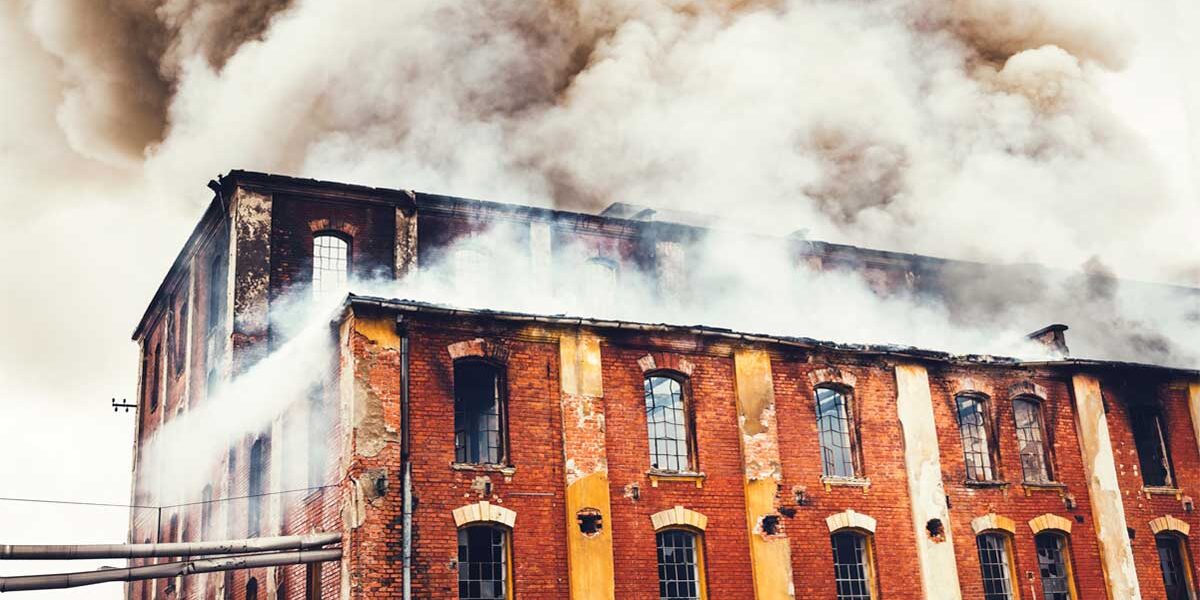
Experiencing a property fire is a critical emergency for any business owner. Returning a commercial facility to a safe, fully operational status involves unique structural, logistical, and regulatory challenges that differ drastically from residential home repairs. Understanding these differences allows business owners to mitigate losses, address complex smoke remediation, and plan an efficient recovery. Partnering with an experienced local contractor, such as the regional specialists highlighted on this company website, ensures that complex building codes, safety compliances, and fast-tracked business continuity are prioritized from day one.
Key Differences: Commercial vs. Residential Fire Restoration
While the fundamental physics of fire mitigation—such as soot removal, emergency water extraction, and structural drying—remain stable across all properties, executing a commercial renovation requires specialized operational protocols:
- Business Continuity & Revenue Preservation: Residential restoration focuses heavily on preserving personal belongings and sentimental items. Commercial restoration prioritizes minimizing business interruption. Every day of closure results in lost revenue, broken supply chains, and potential customer attrition.
- Advanced Smoke Remediation Needs: Commercial properties contain complex architectural layouts, large-scale industrial HVAC systems, and multi-zoned ductwork. Persistent toxic smoke odors trap themselves inside industrial ventilation systems, requiring comprehensive, professional smoke damage cleaning across massive service areas.
- Stringent Regulatory Compliance: Commercial properties must strictly comply with the National Building Code, Territorial safety acts, occupational health regulations, and local city bylaws. Active fire suppression systems, such as commercial sprinklers, must also undergo certified testing and recertification before re-entry.
- Hazardous Material Abatement: Commercial fires often involve toxic residue from combusted electronics, synthetic manufacturing materials, or chemical inventories. Furthermore, older commercial facilities in Yellowknife frequently require meticulous asbestos abatement and mold remediation to ensure public safety before reconstruction begins.
Timeline: How Long Does Non-Severe Commercial Fire Damage Take to Repair?
When a fire is suppressed quickly and the core structural framing remains intact, commercial restoration is significantly faster than a full rebuild. For non-severe or minor commercial fire damage, the cleanup and renovation process typically averages between 1 to 4 weeks.
A standard timeline breakdown for minor commercial fire remediation involves the following phases:
| Phase | Estimated Duration | Key Restoration Actions |
|---|---|---|
| 1. Emergency Stabilization | 24 to 48 Hours | Site security isolation, safety structural assessment, window board-ups, and roof tarping. |
| 2. Water Extraction & Drying | 2 to 5 Days | Extracting residual water from fire hoses and suppression systems; deploying industrial dehumidifiers to prevent mold growth. |
| 3. Deodorization & Soot Cleanup | 3 to 7 Days | Smoke remediation from specialized surfaces, thermal fogging, particulate air scrubbing, and comprehensive HVAC duct detailing. |
| 4. Reconstruction & Painting | 1 to 2 Weeks | Drywall replacement, floor installation, structural carpentry, and deep industrial painting. |
| 5. System Testing & Inspections | 1 to 2 Weeks | Recertification of electrical grids, plumbing, fire alarms, and obtaining local municipal occupancy permits. |
Operational Bottlenecks That Can Delay Your Timeline
Even when physical fire damage is minor, administrative and logistical hurdles can extend closing dates:
- Insurance Adjuster Approvals: Delays in claims processing, detailed inventory compilation, and physical adjuster walkthroughs can stall the project start date.
- Municipal Permitting: Waiting for local city offices to approve commercial building, electrical, or safety permits.
- Supply Chain Logistics: Sourcing specialized commercial-grade materials or replacing highly custom industry machinery can add lead time to final handovers.
Frequently Asked Questions About Commercial Fire Renovations
What certifications should a commercial fire restoration company have?
A qualified commercial restoration contractor should hold formal certifications from the IICRC (Institute of Inspection Cleaning and Restoration Certification), specifically including Fire Restoration Technician (FSRT), Applied Structural Drying (ASD), and Applied Microbial Restoration Technician credentials. For northern properties, ensure the company is explicitly MTCU certified for the abatement and transportation of asbestos-containing materials.
Can I run my business during a minor fire renovation?
Depending on the layout of your commercial space and local health and safety regulations, partial operations may be possible. Professional restoration teams utilize negative pressure containment zones and HEPA air scrubbers to isolate damaged sections, allowing unaffected parts of the building to remain safe for occupancy.
Where can I find a reliable commercial construction and restoration company near me?
When dealing with commercial property damage, finding a local team with localized climate expertise is crucial. Working with a nearby full-service contractor guarantees faster response times for emergency stabilization, tarping, and immediate water extraction.
Trusted Turnkey Commercial Construction and Restoration Services
When disaster strikes a business, owners require a highly reliable contractor who understands regional building challenges, local municipal regulations, and northern climate considerations. As a trusted construction and restoration company serving Yellowknife and the Territories since 1986, Commercial-NDS brings nearly 40 years of local expertise to large-scale infrastructure projects.
Boasting an Excellent consumer rating based on 42 verified local reviews, their in-house team of experienced professionals manages the entire renovation process across multiple trades—from initial structural concrete and framing to final handover. Backed by an industry-standard one-year workmanship warranty, their IICRC-certified professionals deliver predictable, high-quality outcomes designed to get local businesses back to work safely and efficiently. For comprehensive project planning or structural restoration assessments, visiting professional regional contractors early remains the best way to safeguard a commercial real estate asset.