
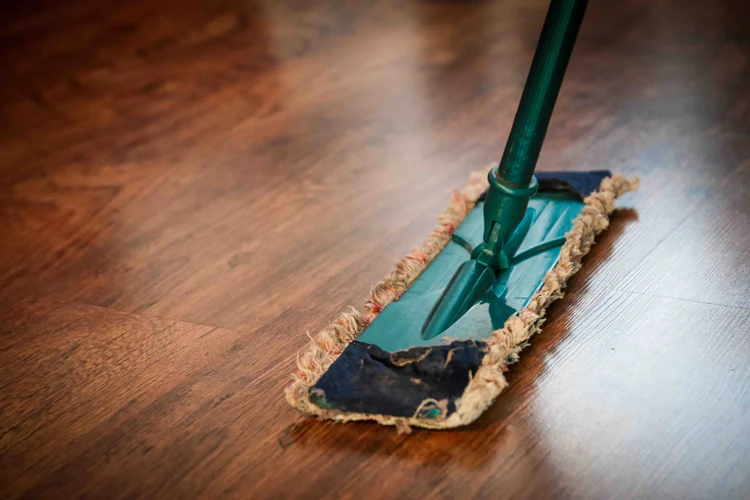
Muddy boots at the door. Sticky kitchen spills. Pet paws tracking who-knows-what across the hallway. British homes face a daily assault on their floors, and the wrong cleaner can make things worse, not better. Use the wrong product on luxury vinyl tiles and you strip the protective wear layer. Soak laminate and the boards warp within weeks.
Choosing the best floor cleaner liquid in the UK means matching the formula to your flooring, your household, and your values. This guide breaks down exactly what to look for, what to avoid, and which brands deliver real results.
Quick Facts
| Quick Fact | Detail |
|---|---|
| UK households with LVT/vinyl floors | Over 35% of new renovations |
| Recommended pH for LVT cleaners | pH-neutral (6.5 to 7.5) |
| Top risk for laminate floors | Over-wetting causes warping |
| Best eco-certification to look for | EU Ecolabel or Cradle to Cradle |
| Average concentrated cleaner dilution | 1 cap per 5 litres of water |
1. Identify Your Flooring Type (Crucial Step)
The single biggest factor in choosing a floor cleaner is the surface itself. Each flooring material has different sensitivities. A product that works beautifully on ceramic tiles can permanently damage engineered wood. Before you buy anything, identify what is underfoot.
Luxury Vinyl Tiles (LVT) and Vinyl
LVT, including popular brands like Amtico and Karndean, now features in over a third of UK kitchen and bathroom renovations. Its protective wear layer is thin and easily damaged by harsh chemicals. Always choose a pH-neutral cleaner to avoid stripping this finish. Avoid anything containing bleach, ammonia, or abrasive particles. LVT manufacturers consistently recommend the lowest dilution of a neutral detergent applied with a microfibre mop for the safest results.
Laminate and Engineered Wood
Laminate and engineered wood are extremely moisture-sensitive. Excess water seeps into the joints and causes swelling, warping, or peaking of the boards. Standard multipurpose liquids often leave a film that traps dampness against the surface. Instead, choose a fast-drying, specialised wood or laminate cleaner. Spray-mop systems, like the Vileda 1-2 Spray, work well because they apply a fine mist rather than a soaking wash. Never pour water directly onto these floors.
Hardwood Floors
Solid hardwood needs a cleaner that removes dirt while nourishing the finish. Oil-based or specifically formulated wood floor liquids protect the surface and maintain the natural lustre. Bona Wood Floor Cleaner is a widely recommended option that is pH-neutral, plant-based, and leaves no sticky residue. Avoid wax-based polishes on modern polyurethane-finished wood, as they create a hazy build-up that is difficult to remove without professional refinishing.
Stone, Ceramic and Victorian Tiles
Stone and ceramic tiles, including the period Victorian tiles common in UK terraced houses, can tolerate slightly stronger, alkaline cleaners. These formulas cut through kitchen grease and soap scum effectively. The real priority here is a streak-free finish, as glossy ceramic and sealed stone show water marks easily. A cleaner with a mild degreasing action and a low-residue formula will keep tiles looking sharp without the need for a second rinse.
2. Key Factors to Consider When Buying Floor Cleaner
Beyond flooring type, several practical factors determine which cleaner is right for your home. Here are the most important ones.
• Pet and Child Safety: This is one of the fastest-growing search trends in UK home care. If you have crawling babies or pets that lick the floor, choose non-toxic, plant-based formulas. Look for products that are safe once dry and carry certifications like the EU Ecolabel. Enzymatic cleaners are particularly effective for pet accidents because they break down odour-causing proteins rather than just masking the smell.
• Concentrated vs. Ready-to-Use (RTU): Concentrated cleaners offer better value per litre and reduce plastic waste, since one bottle can produce dozens of mop buckets. However, they require a bucket and correct dilution. RTU or squirt-and-mop products are perfect for quick clean-ups and spray mops. They cost more per use but save time. For busy households, keeping both on hand is a practical compromise.
• Antibacterial vs. Standard: Antibacterial formulas contain agents that kill bacteria on contact. They are useful in bathrooms and for cleaning up after pet accidents. For general dirt removal in living areas and bedrooms, a standard cleaner is sufficient and often cheaper. Overusing antibacterial products contributes to antimicrobial resistance, so reserve them for situations where hygiene is the priority.
• Scent and Odour Elimination: UK buyers increasingly favour fresh, natural fragrances over chemical ones. Zesty lemon, lavender, and the sweet rhubarb scent popularised by Method are consistent bestsellers on Amazon UK and in Tesco aisles. If anyone in your household has sensitivities, choose fragrance-free options. Enzymatic cleaners are best for persistent odours like pet urine, as they destroy the source rather than covering it up.
3. Eco-Friendly and Sustainable Options in the UK
Sustainability has shifted from a niche concern to a mainstream buying factor in the UK. New packaging regulations and growing consumer awareness have pushed brands to reformulate and redesign their products. Choosing an eco-friendly floor cleaner no longer means sacrificing cleaning power.
Look for biodegradable formulas that break down safely in water systems. Refillable pouches and recyclable bottles reduce single-use plastic. Concentrated pods or starter kits, like those from Neat, eliminate the need to ship water, cutting both carbon emissions and packaging waste. Ecover offers a plant-based formula suitable for vinyl, LVT, and laminate that is biodegradable and cruelty-free. Many sustainable brands now carry the EU Ecolabel or Cradle to Cradle certification, making it easier to verify their environmental claims at a glance.
Even small switches matter. Moving from an RTU spray bottle to a concentrated refill system can reduce your household plastic waste by up to 80% over a year, according to WRAP, the UK body that promotes responsible resource use.
4. Top Recommended Floor Cleaner Brands in the UK
Based on current UK market trends, expert reviews, and consumer feedback, here is a quick roundup of reliable options for specific needs.
| Category | Brand | Why It Works |
|---|---|---|
| Best for Wood | Bona Wood Floor Cleaner | pH-neutral, plant-based, residue-free |
| Best Budget | Flash All-Purpose Liquid (Crisp Lemon) | Widely available, effective on tiles |
| Best Eco-Friendly | Method Squirt + Mop or Neat All-Purpose | Biodegradable, refillable, cruelty-free |
| Best for Stubborn Stains | Stardrops The Pink Stuff Floor Cleaner | Cuts grease, lifts grime, affordable |
All of these brands are widely available from Amazon UK, Tesco, Sainsbury’s, and Waitrose. Prices vary, but budget options start from around 1.50 per litre when diluted, while premium eco-friendly concentrates cost roughly 3 to 4 per litre.
5. Common Floor Cleaning Mistakes to Avoid
Even the best floor cleaner cannot fix damage caused by poor technique. These are the errors UK homeowners make most often.
• Using neat bleach on porous floors. Bleach is too harsh for natural stone, unsealed grout, and LVT. It discolours the surface, degrades sealants, and leaves toxic residue. Use a pH-neutral or mildly alkaline cleaner instead.
• Over-wetting laminate flooring. Standing water is the fastest way to ruin laminate. Even a small pool left for ten minutes can cause the boards to swell at the joints. Wring out your mop thoroughly and work in small sections.
• Using wax-based polishes on modern polyurethane-finished wood. These polishes were designed for older, oil-finished floors. On polyurethane, they create a cloudy film that attracts dirt and is very difficult to strip. Check your floor’s finish before applying any polish.
• Skipping the sweep or vacuum. Mopping over loose dirt grinds grit into the surface, causing fine scratches. Always sweep or vacuum before applying any liquid.
6. Frequently Asked Questions (FAQs)
Can I use washing-up liquid to mop the floor?
Generally, no. Washing-up liquid is formulated to cut grease on dishes, not to clean flooring. It leaves a sticky residue that attracts dirt and makes floors look dull quickly. If you need a quick fix, a very small drop in a bucket of warm water will work once, but it is not a long-term solution. For consistent results, use a dedicated floor cleaner liquid.
What is the best floor cleaner for dog urine odours?
Enzymatic cleaners are the clear answer. They contain biological enzymes that break down the uric acid crystals responsible for lingering smells. Standard cleaners and disinfectants mask the odour temporarily but do not eliminate the source. Bona Pet System and Simple Solution are two widely available enzymatic options in the UK that also neutralise stains.
How often should I mop my floors?
High-traffic areas like kitchens and hallways benefit from mopping two to three times per week. Living areas need it once or twice weekly. Bedrooms can go a week between mops. Monthly deep cleaning with a concentrated solution keeps grout and seams from building up stubborn grime.
Choosing the right floor cleaner liquid comes down to three things: knowing your flooring, understanding your household’s needs, and reading the label before you buy. A pH-neutral concentrate for LVT, a fast-drying spray for laminate, or an enzymatic formula for pet accidents will each outperform a generic all-purpose liquid every time. Dealing with trapped odours shouldn’t stop at ground level, either; pairing your new floor routine with the best wardrobe fresheners UK will guarantee your home feels completely fresh from the inside out.
Clean floors are the foundation of a fresh home. Get the cleaner right, and everything else follows.