
A landlord with available capital often faces two credible options: improve existing properties or use the funds to acquire another one. The better choice depends on current yields, renovation costs, borrowing capacity and the strength of potential purchases. Comparing both routes with the same financial discipline helps you avoid tying up cash in work that tenants won’t value or buying a property that weakens the portfolio.
Measuring Current Property Yields
Start with the performance of each existing property. Calculate gross yield by dividing annual rent by the property’s current value, then calculate net yield after management fees, maintenance, insurance, service charges and expected void periods.
For example, a property worth £220,000 that generates £13,200 in annual rent has a 6% gross yield. If operating costs total £3,000, its net yield falls to roughly 4.6%. Compare this figure with realistic returns from a new purchase.
Look beyond a single year. Review maintenance records, local rent levels and tenant turnover over at least three years. A consistently occupied home with predictable costs may deserve investment even if another area advertises a higher headline yield.
Upgrades That Deliver True Returns
Prioritise work that increases rent, reduces recurring costs or prevents expensive deterioration. Reliable heating, durable flooring and a clean modern kitchen tend to matter more to tenants than highly personalised finishes. Published guidance on value-adding home improvements also highlights the importance of concentrating spending on changes buyers recognise.
Set a target payback period before approving work. If an £8,000 refurbishment supports a £100 monthly rent increase, the simple payback period is more than six years, excluding finance costs and lost rent. That may still work if it improves retention or saleability, but the rent rise alone offers a limited return.
Compare several renovations with strong returns and consider smart rental property upgrades before committing your budget. A dedicated real estate partner can also help UK buy-to-let investors compare refurbishment plans with off-market acquisition opportunities.
The Hidden Friction of Refurbishments
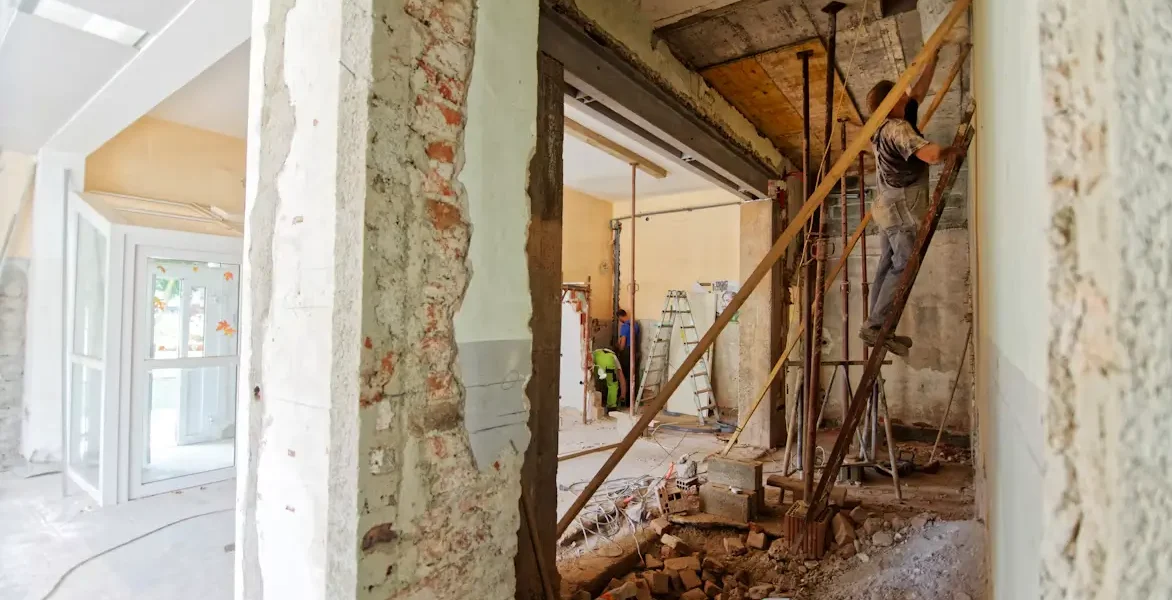
The builder’s quotation rarely represents the full financial impact. A four-week project can become six weeks after material delays, inspection issues or the discovery of damp beneath old flooring. Lost rent, council tax during a void and additional finance costs all affect the final return.
Allow a contingency of around 10% to 15% for a straightforward refurbishment, with more for older properties or structural work. Confirm lead times before the tenant leaves and avoid ordering bespoke items that are difficult to replace later.
Management time also has value. Coordinating trades, checking workmanship and handling neighbour concerns can distract you from lettings and portfolio planning. If your estimates depend on immediate completion and a perfect rent increase, the project has too little margin for error.
Choosing Strategic Acquisition
Expansion makes sense when a purchase improves the portfolio’s income, tenant demand or geographic spread. Judge each opportunity using its expected net yield after acquisition costs, initial repairs, finance and a sensible void allowance. Cheap properties can produce weak returns when service charges or frequent maintenance consume the rent.
Consider how the purchase changes your overall risk. Adding another flat in the same building may simplify management, but it concentrates exposure to one block, managing agent and local rental market. A property in a different area can spread risk, although it may demand new contractors and more travel.
Use conservative rent estimates based on comparable homes that have actually let. If a deal only works at the top advertised rent, revise the figures before proceeding.
Balancing Equity and Cash Reserves
Equity can support expansion, but accessible cash keeps the portfolio stable. Retain enough to cover voids, urgent repairs and higher borrowing costs across several properties at once. A boiler failure and an empty month can easily coincide, so a reserve based on the whole portfolio is safer than a small allowance for each home.
Stress-test both options. Model the effect of a 10% refurbishment overspend, two months without rent and a higher monthly finance payment. Then compare the remaining cash position after the work or acquisition completes.
The final choice may be a staged one. Completing a modest upgrade first can protect rental income whilst leaving enough capital to pursue a strong purchase later. Set minimum thresholds for net yield, reserves and payback period, then proceed only when the numbers meet all three.