
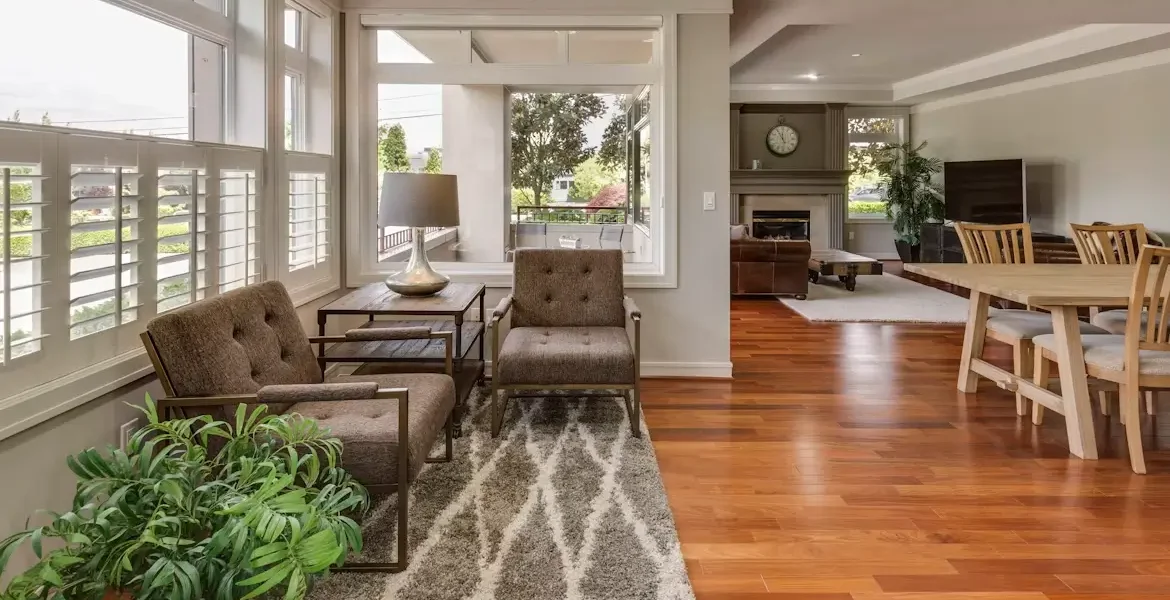
A well-designed home can support concentration, comfort and consistent energy throughout the day. Small frustrations such as uneven temperatures, poor lighting and unreliable fittings often have a greater effect than homeowners realise. Addressing these issues creates rooms that work properly for rest, focused work and everyday routines. The best results usually come from improving the basics first, then choosing durable systems that reduce maintenance and perform predictably for years.
The Foundation of a Functional Home
Start by examining how each room feels during normal use. Check natural light at different times, listen for distracting noise and note any areas that become too warm or cold. The wider wellness home trend reflects growing interest in indoor features that support physical comfort and healthier routines.
Simple adjustments can produce immediate results. Position a desk near daylight without placing the screen in direct glare, keep frequently used items within easy reach and use layered lighting for different tasks. Ventilate rooms regularly and keep walkways clear. A room should make its main purpose easy, so a bedroom encourages rest while a home office provides comfortable seating, steady lighting and enough storage to prevent clutter from taking over.
Beyond the Screen: Physical Home Upgrades
Digital tools can control schedules and monitor energy use, but physical upgrades often deliver the most noticeable improvement. Draught proofing, effective insulation and dependable heating help maintain a stable indoor temperature, which makes both work and relaxation more comfortable.
Heating choices should suit the property’s proportions and character. In a period interior, a made-to-order hand-built cast iron radiator can provide practical warmth while complementing traditional architectural details. Before ordering any heating product, calculate the room’s heat requirement and check pipe positions, wall space and floor strength.
Other useful upgrades include task lighting above kitchen worktops, acoustic curtains beside busy roads and supportive seating at a permanent desk. Plan these changes around specific problems you experience each day, then prioritise the ones that affect comfort most often.
Ensuring Reliability and Durability
Reliable home systems depend on suitable materials, correct installation and regular care. A low initial price can become expensive if a fitting needs frequent repairs or performs poorly under everyday use. Check guarantees, replacement-part availability and maintenance instructions before committing to heating, lighting or ventilation products.
The connection between home renovations and wellbeing makes project management relevant. Prolonged disruption can create stress, so agree on working hours, protect living areas from dust and schedule noisy tasks when they cause the least disturbance.
Keep a simple home maintenance record with installation dates, guarantee documents and service details. Test controls seasonally, clean accessible vents and deal with small leaks or unusual noises promptly. Early action usually prevents minor wear from developing into disruptive damage.
Long-Term Value in Home Systems
Long-term value comes from consistent performance, sensible running costs and products that can be repaired. Look beyond purchase price and estimate how often an item will need servicing, refinishing or replacing over the next decade. A durable fixture that works for 15 years may offer better value than a cheaper option replaced three times.
Flexible design also protects your investment. Neutral permanent finishes can accommodate changing furniture, while adjustable lighting supports working, reading and entertaining. Choose standard fittings where possible because compatible parts are usually easier to source.
Review the home once a year, ideally before colder weather arrives. Check seals around windows, test heating controls and identify rooms where comfort has declined. That short inspection gives you time to arrange targeted repairs before unreliable systems begin disrupting daily life.