
I have spent over a decade evaluating luxury properties, and if one element consistently separates a thoughtfully designed home from a merely decorated one, it is the ceiling lighting. Modern ceiling lighting ideas in 2026 are not about matching a fixture to your paint color. They are about understanding how light interacts with architecture, materials, and how you actually move through a space.
The right ceiling luminaire can make a room feel taller, warmer, and more intentional without changing a single piece of furniture. Here are ten lighting approaches gaining real traction in high-end residential design, chosen for how they perform in a lived-in home.
TL; DR: What You Need to Know
The strongest modern ceiling lighting ideas for 2026 center on warm LED technology (2700K–3000K), organic sculptural forms, natural materials like alabaster and wood, and smart integration that adapts to your routine. Layered systems combining ambient, task, and accent sources deliver the most professional results. The direction is clear: fixtures should feel like architectural elements, not afterthoughts.
Quick Facts: 2026 Ceiling Lighting at a Glance
| Feature | Details |
| Trending Style | Sculptural pendants, organic forms, oversized chandeliers |
| Top Material | Alabaster stone, blown glass, natural wood |
| Color Temperature | Warm LED (2700K–3000K) for residential comfort |
| Smart Integration | AI-powered fixtures with circadian rhythm support |
| Energy Efficiency | LED: 90% more efficient, 50x longer lifespan |
| Best for 2026 | Layered lighting combining ambient, task, and accent |
1. Alabaster Stone Pendant Lights
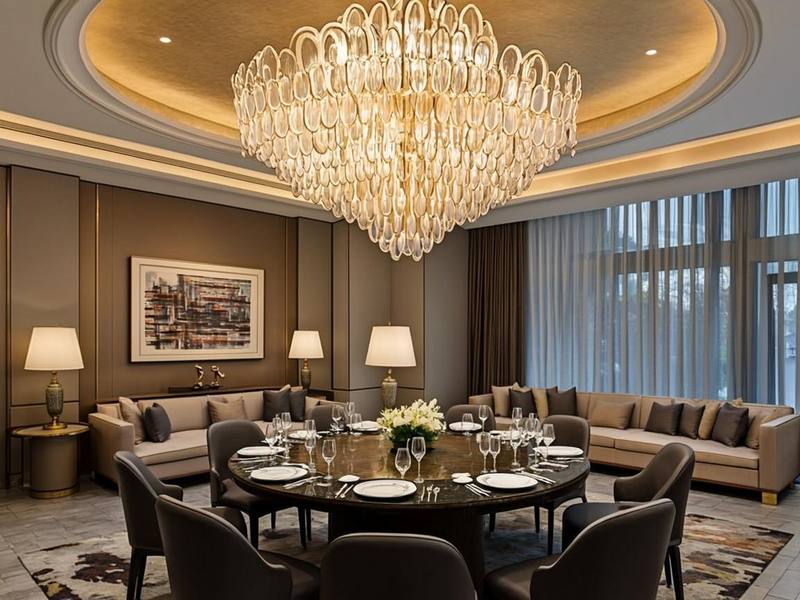
Alabaster has emerged as the defining material of 2026 luxury lighting. This natural stone produces a warm, diffused glow that no synthetic shade can replicate. I have seen it used extensively in properties across Los Angeles and Miami, where designers choose raw, unpolished alabaster pendants over glass alternatives.
The reason alabaster works at ceiling level is translucency. Light passing through it softens the entire room, eliminating harsh down-lighting. The material also develops a patina over time, adding character to the space.
What to Consider
- Real alabaster is heavy—ensure your ceiling structure supports it before installation.
- Each stone piece is unique. Natural veining variations are a feature, not a defect.
2. Sculptural Organic Form Chandeliers
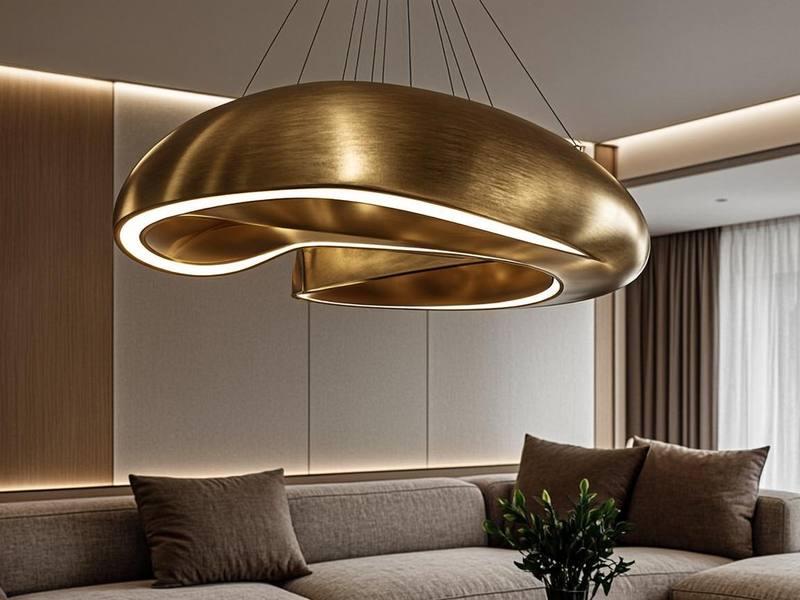
Atlanta-based designer Laura Jenkins notes that 2026 is defined by organic forms, larger scale, and canopy-less installations. I agree completely. Today’s impact chandeliers look less like traditional fixtures and more like ceiling-mounted art.
These sculptural pieces use flowing curves, asymmetric compositions, and mixed metals to create visual interest at the ceiling plane. In open-plan homes, they define distinct zones within a single space. Brushed brass and soft gold finishes dominate this category, according to multiple 2026 trend reports.
Design Insight
The key is restraint in surrounding decor. When the ceiling fixture carries significant visual weight, keep walls, countertops, and flooring relatively clean. Let the lighting be the statement.
3. Minimalist Flush Mount LED Fixtures
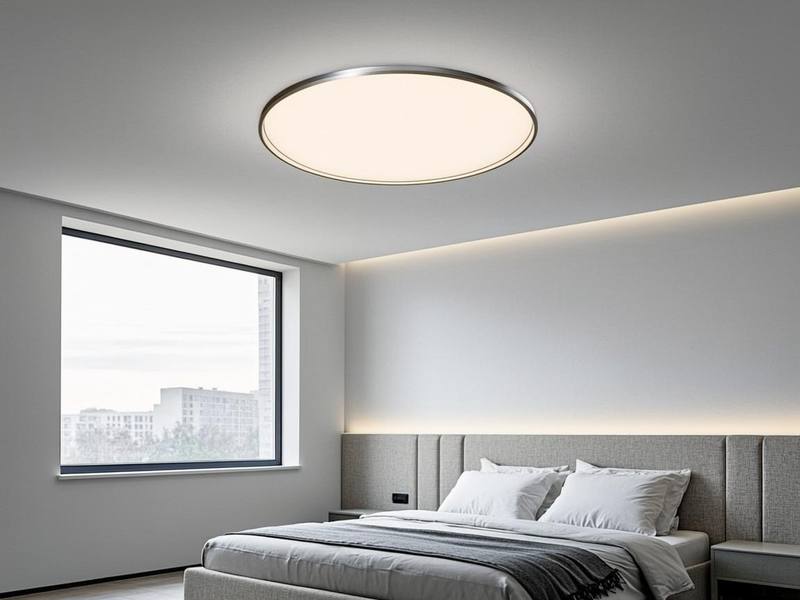
In hallways, bedrooms, and closets, minimalist flush mounts dominate 2026 with profiles so thin they nearly disappear against the ceiling. These surface-mounted LED lights prioritize function, delivering even illumination without consuming headroom.
Modern flush mounts have solved the overheating problems of early LED designs. Premium models use integrated heat sinks that extend lifespan to 50,000+ hours. Curated collections are available from specialty retailers including https://leduastore.com/interior-lighting-ledua-brand/ceiling-luminaires/ for homeowners seeking refined options.
Pros and Cons
- Ideal for ceilings under 8 feet where pendant lights would feel cramped.
- Energy-efficient LED technology reduces electricity costs by up to 90%.
- Limited decorative impact—best paired with layered accent lighting elsewhere.
4. Linear LED Lighting Solutions
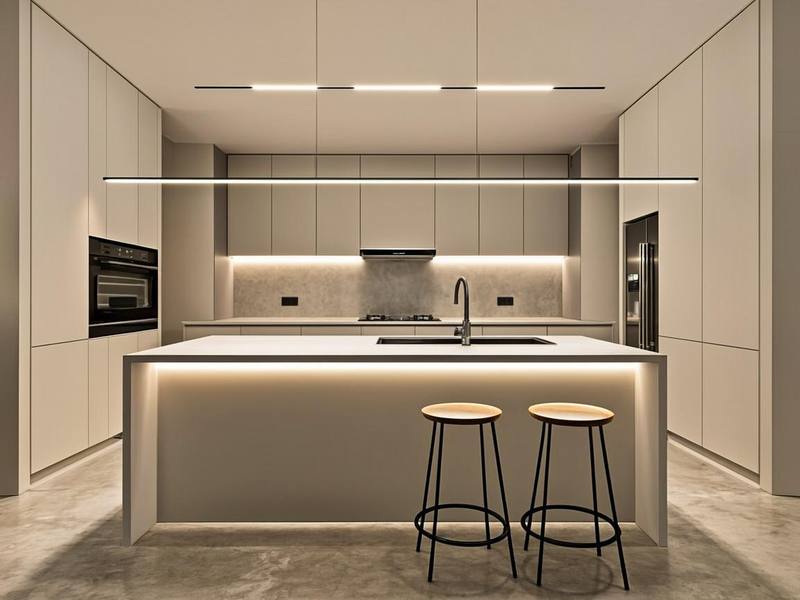
Linear lighting has evolved from a commercial staple into a residential design tool. Suspended linear LEDs, continuous recessed strips, and surface-mounted channel lights now appear in luxury kitchens, offices, and media rooms. Their strength lies in uniform light distribution without the hot spots of individual bulbs.
In 2026, I see linear solutions integrated into architectural details: ceiling coves, bulkhead seams, and floating drywall planes. This makes lighting feel like part of the structure—the level of intentionality that separates premium builds from standard ones.
Installation Tip
Plan recessed linear housing during early construction. Surface-mounted options offer more flexibility for existing homes.
5. Wooden Pendant Lights
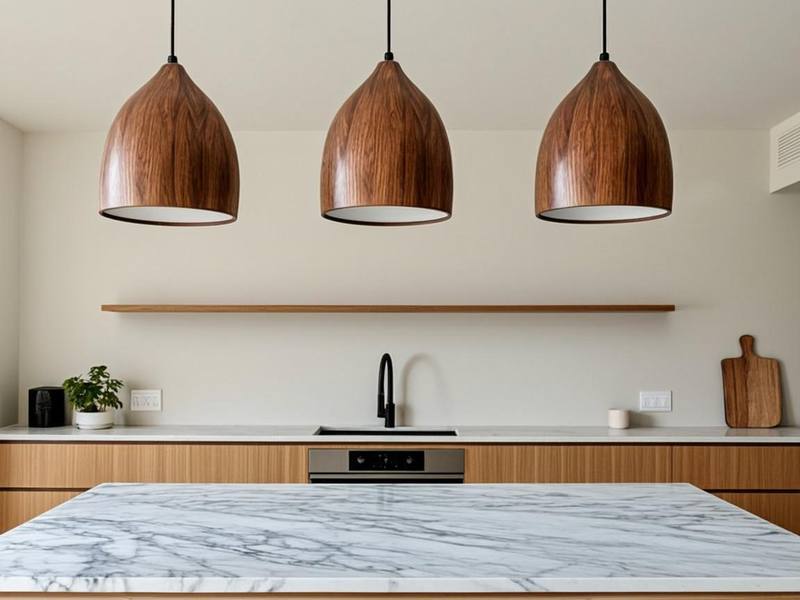
Wooden pendants bridge biophilic design and contemporary aesthetics. Designers are specifying walnut, oak, and ash fixtures with minimal metal accents. Natural grain introduces texture above, softening rooms that might otherwise feel stark.
What makes wooden pendants effective is their versatility. A turned-wood pendant over a kitchen island reads Scandinavian modern. The same material in raw, split-log form over a dining table feels grounded and rustic. The material carries the design, so the silhouette can stay simple.
6. Blown Glass Fixtures
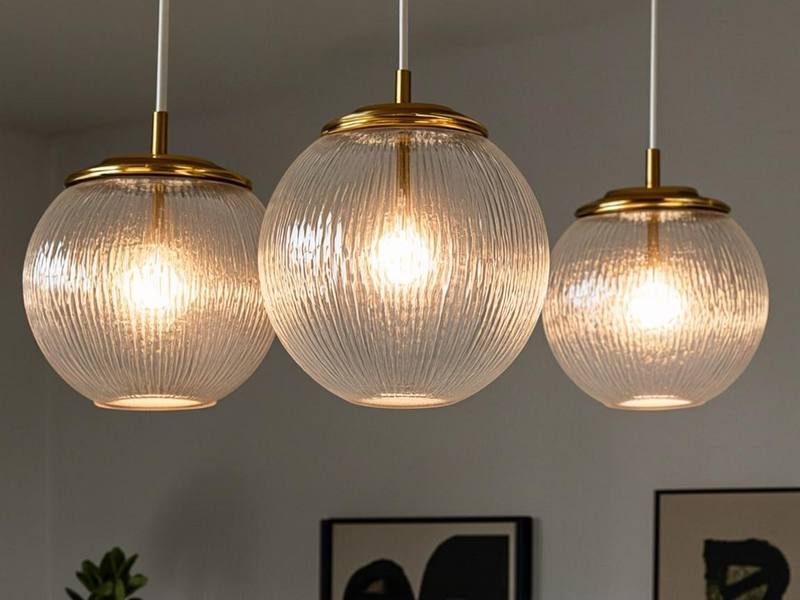
Blown glass continues strong in 2026, with artisan studios producing pieces that feel handmade without looking rustic. Murano-style pendants, frosted globes, and smoke-tinted cylinders appear in high-end properties from New York to Milan. Glass diffuses light while feeling transparent and airy.
The practical advantage is maintenance. Unlike fabric shades that collect dust and discolor, glass wipes clean and maintains clarity for decades—making it ideal for coastal and humid environments.
7. Smart and AI-Powered Ceiling Fixtures
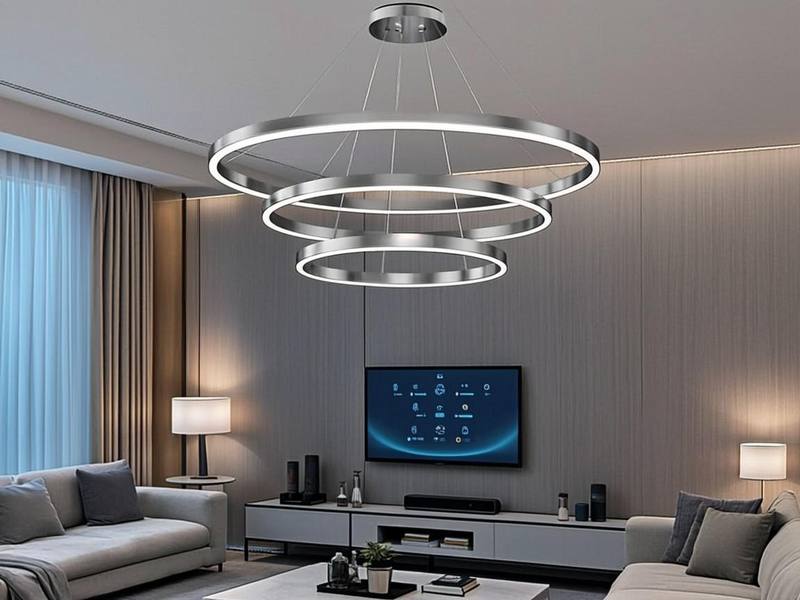
Smart lighting has matured beyond color-changing bulbs. In 2026, AI-powered fixtures adjust color temperature and intensity based on time of day, occupancy, and natural light levels—circadian lighting made automatic.
From a real estate perspective, integrated smart lighting is a measurable value-add. Properties with installed smart systems attract buyers who expect technology to be invisible and intuitive. Choose fixtures where technology is embedded, not bolted on.
8. Recessed Downlighting with Warm LEDs
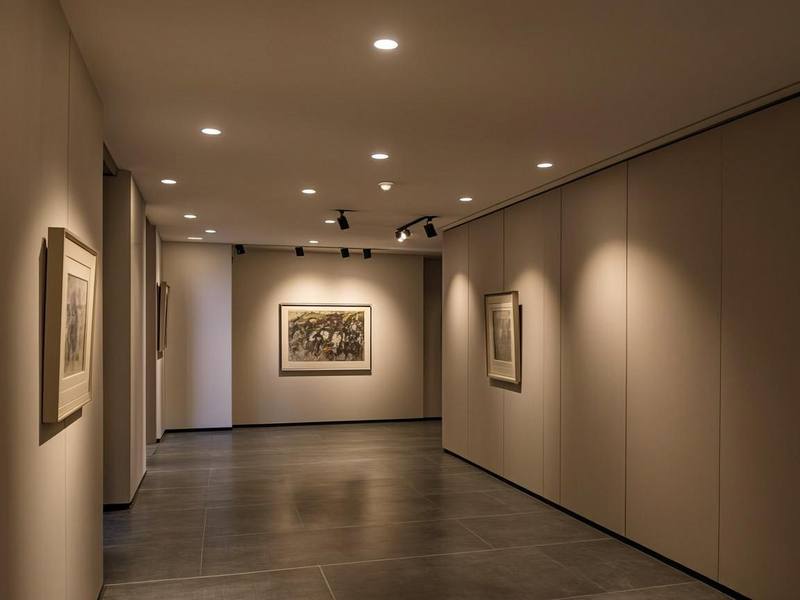
Recessed lighting remains the backbone of any well-lit home, but the technology has shifted. The cold 5000K LEDs of the early 2010s are gone. The 2026 residential standard is 2700K–3000K warm white, creating comfortable, lived-in atmosphere.
The best installations use adjustable gimbal fixtures that direct light toward artwork, architectural features, or task areas. Paired with dimmers on separate circuits, recessed lighting shifts from functional brightness to soft evening glow.
9. Asymmetric and Clustered Pendant Arrangements
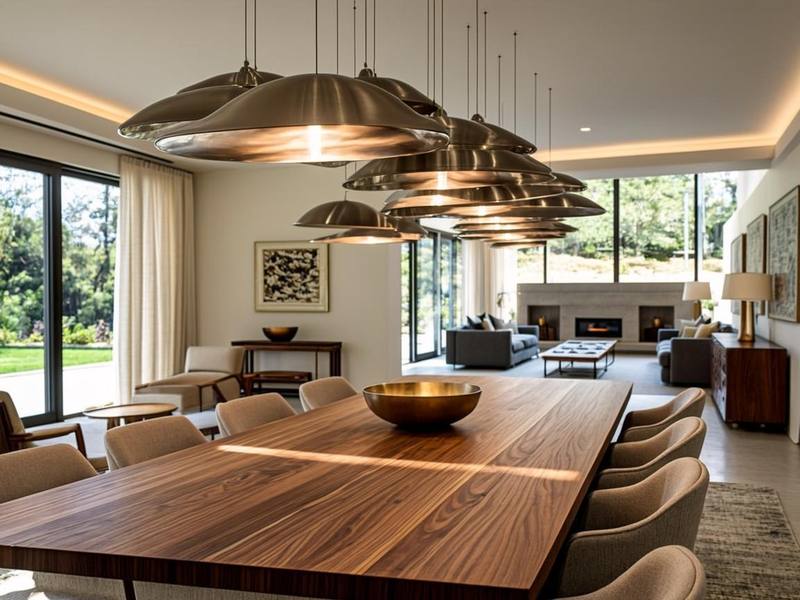
Perfectly balanced arrangements are no longer the default. In 2026, asymmetric and clustered pendant installations are gaining ground in dining areas and over kitchen islands. Designers group two to five pendants at varying heights and positions.
This works because it mirrors how people gather—in loose, informal clusters. Clustered pendants create visual rhythm across the ceiling, drawing the eye along a deliberate path rather than resting on a single focal point.
10. Architectural Cove Lighting
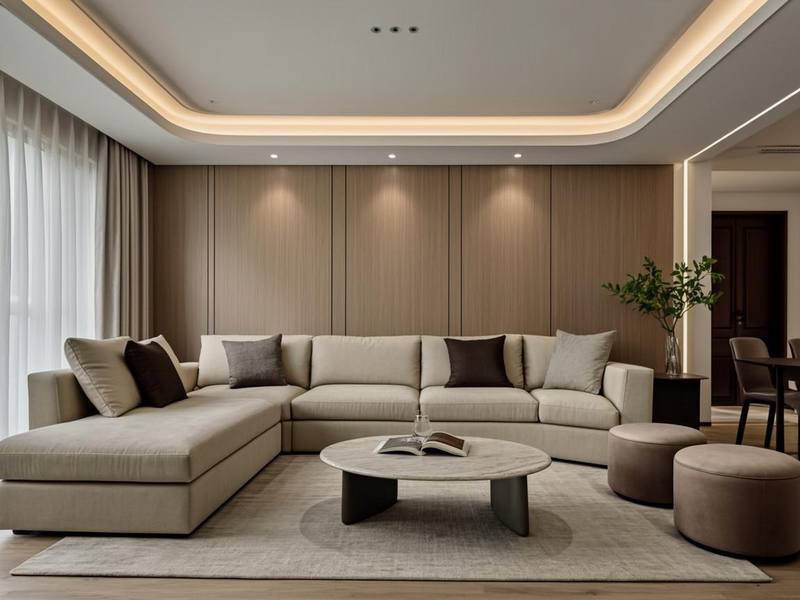
Cove lighting—light hidden within a ceiling recess—is the most understated approach here, and often the most effective. The light source is completely invisible. You see only the warm wash on the ceiling, creating the illusion of a larger, airier room.
In 2026, tunable LED strips allow shifting from warm evening tones to cooler daytime light. The architectural investment is higher than surface-mounted options, but the result is unmatched for ambient atmosphere.
Design and Architecture Insights
After evaluating hundreds of luxury properties, I find the most successful lighting plans share three principles most online guides overlook.
Layer First, Fixture Second
Every room needs ambient, task, and accent layers. Choose fixtures to serve these layers, not the other way around. Selecting fixtures before defining layers is the most common mistake I see.
Ceiling Height Determines Everything
A 10-foot ceiling can support a pendant that would overwhelm an 8-foot space. Flush mounts and recessed lighting are correct choices for low ceilings—not compromises.
Material Consistency Matters
If your kitchen hardware is brushed brass, your ceiling fixture should complement it. A cohesive material palette across fixtures and hardware gives the home a curated feel that buyers and guests notice immediately.