When you invest in a property, the surfaces beneath your feet are among the most significant expenses you will encounter. Flooring is not merely a decorative choice; it is a structural component that must withstand thousands of footfalls, furniture shifts, and the occasional spilled glass of wine. Understanding the lifespan of different materials is the key to balancing your immediate budget with long-term value.
While a cheap fix might look appealing today, the “cost per year” of a floor that needs replacing in a decade is significantly higher than a premium material that lasts a lifetime. In this guide, we will explore how long various flooring types truly last and what you can do to maximize their durability.
The Immortal Choice: Solid Hardwood Flooring
Solid hardwood is the gold standard for longevity. Unlike almost any other floor covering, wood is a natural material that can be rejuvenated rather than replaced.
- Average Lifespan: 50 to 100+ years.
- The Durability Factor: The primary reason solid wood lasts so long is its thickness. It can be sanded down and refinished between five and ten times over its life. If you move into a home with scratched, 50-year-old oak floors, you don’t need a dumpster; you just need a professional sander.
Real-World Example: Walk into any historic brownstone in London or New York. You will often find original heart-pine or oak planks that have survived for over a century. By partnering with a reputable wood flooring company, homeowners can install a floor today that their great-grandchildren might still be walking on. The initial investment is higher, but the lifespan cost is incredibly low.
Engineered Wood: The Modern Hybrid
Engineered wood was developed to solve the problem of wood’s natural expansion and contraction. By layering a real hardwood “wear layer” over a cross-grained plywood base, you get the beauty of timber with much higher stability.
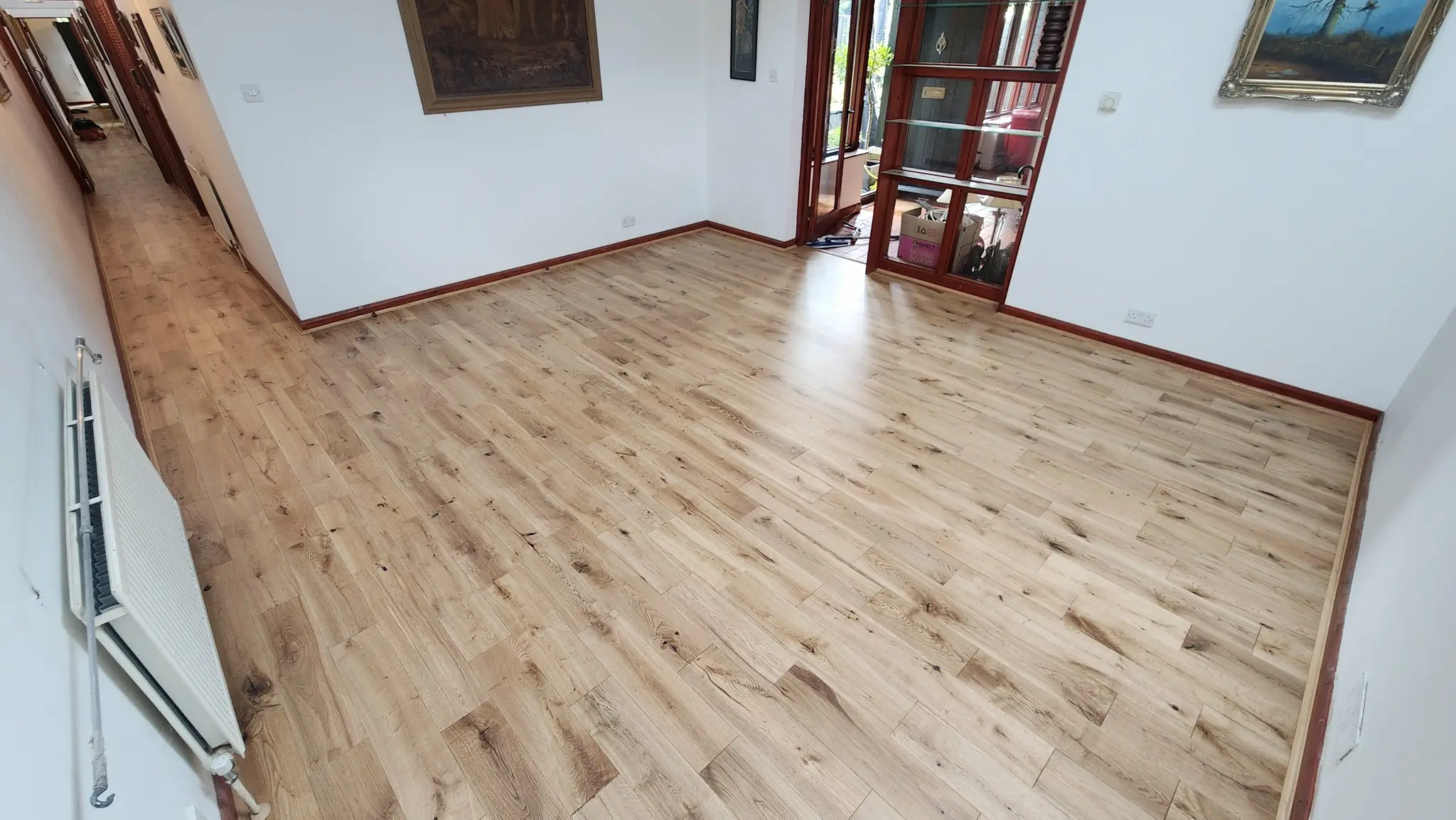
- Average Lifespan: 25 to 50 years.
- The Wear Layer Rule: The longevity of this floor depends entirely on the thickness of the top wood layer. A thin 2mm veneer might only allow for one light sanding, while a 6mm “thick-cut” layer can be refinished almost as many times as solid wood.
Real-World Example: In luxury high-rise apartments where concrete subfloors and radiant heating are common, engineered wood flooring is the preferred choice. It handles the dry heat of underfloor systems without warping. We have seen high-quality engineered installations in commercial office lobbies that still look brand new after fifteen years of heavy foot traffic, thanks to a durable factory-applied UV oil finish.
Natural Stone and Porcelain Tile
Stone and tile are the heavyweights of the flooring world. They are virtually immune to water damage and are extremely difficult to scratch.
- Average Lifespan: 50 to 100 years.
- The Maintenance Factor: While the tiles themselves are nearly indestructible, the grout lines are the Achilles’ heel. Grout is porous and can crack or discolor over time.
Real-World Example: Consider the travertine or marble floors in ancient European cathedrals. While residential porcelain isn’t quite the same as an inch-thick slab of Italian marble, it follows the same principle. In a standard family bathroom, a porcelain tile floor will typically outlast the plumbing and the vanity. You are more likely to replace it because the style becomes dated than because the material has failed.
Luxury Vinyl Plank (LVP) and Laminate
These are the “synthetic” contenders. They have become incredibly popular because they can mimic the look of expensive wood at a fraction of the price.
- Average Lifespan: 10 to 25 years.
- The “One-Life” Limitation: Unlike wood, you cannot sand a vinyl plank. Once the protective wear layer is scratched through or the photographic image is damaged, the plank must be replaced.
LVP is the king of the “active household.” In a home with three large dogs and a swimming pool, LVP provides a waterproof surface that can handle wet paws for 15 to 20 years. However, in high-sunlight areas, cheaper vinyl can fade or “peak” at the seams over time, leading to an earlier replacement than natural materials.
Factors That Cut Your Floor’s Life Short
Even the best materials can fail prematurely if they aren’t treated correctly. If you want to reach the upper limits of these lifespan estimates, pay attention to these three factors:
1. The Quality of the Subfloor
A floor is only as good as what is underneath it. If a subfloor is uneven, wood planks will creak and eventually crack at the tongue-and-groove joints. If there is moisture in the concrete, it will delaminate even the best adhesives. This is why hiring a professional flooring contractor for the initial survey is non-negotiable.
2. Humidity Regulation
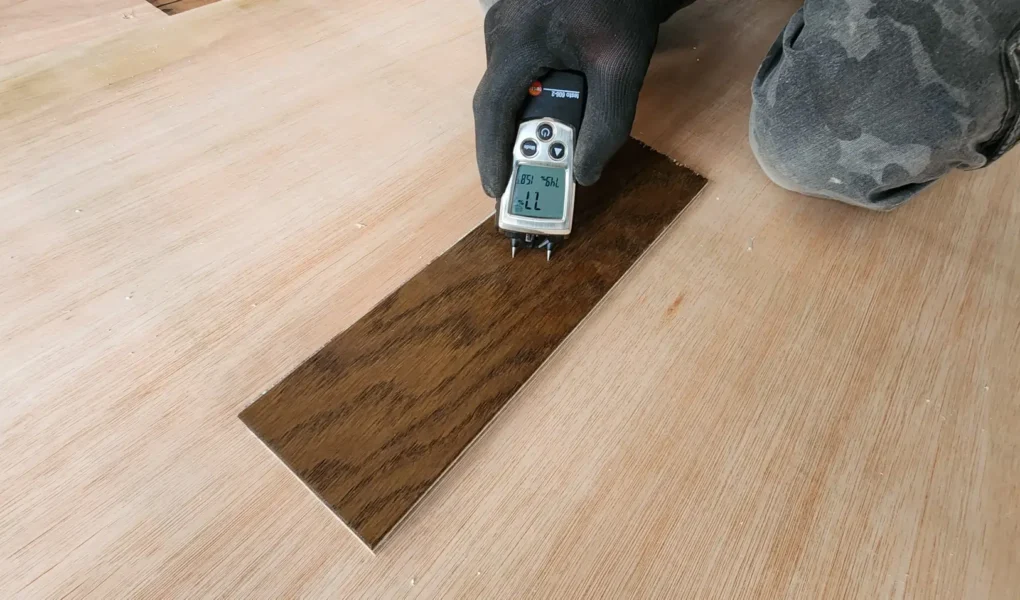
Wood is hygroscopic, meaning it breathes. If your home is 60% humidity in the summer and 15% in the winter, the wood will expand and contract violently. This leads to “cupping” or structural gaps. Keeping your home between 35% and 55% humidity year-round is the secret to a 100-year wood floor.
3. Immediate Protection
Most floor damage happens in the first three feet of an entrance. Using high-quality walk-off mats to catch grit and sand—which act like sandpaper on any finish—can add five to ten years to the life of your floor’s surface.
Final Verdict
If you are looking for a “forever floor,” solid or engineered hardwood and natural stone are the clear winners. They offer a timeless aesthetic and the unique ability to be restored. While synthetic options like vinyl and laminate serve a vital purpose for temporary housing or tight budgets, they lack the soul and the stamina of real timber. Investing in quality wood today ensures you won’t be tearing up your floors and sending them to a landfill a decade from now.