
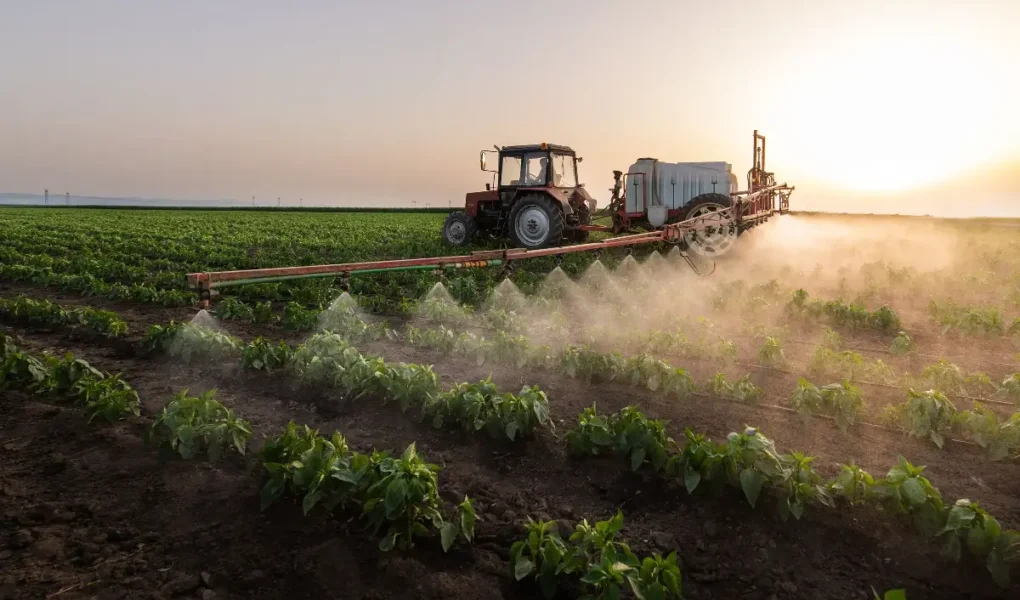
The Ukrainian agricultural sector has evolved from a traditional “breadbasket” into a sophisticated, high-yield investment landscape. As of early 2026, the market has matured significantly, driven by the 2024 liberalization that allowed legal entities to enter the land market. This shift has transitioned agricultural assets from speculative plays into long-term institutional holdings with predictable, data-backed returns.
For investors aiming to capitalize on this transition, navigating the nuances of the “Chernozem” (black soil) regions requires more than just capital; it requires boots-on-the-ground intelligence. Partnering with a specialized agricultural agency Ukraine is essential for conducting technical due diligence, verifying titles within the State Land Cadastre, and identifying off-market assets that never reach public listings. Such agencies act as the primary bridge between international capital and the unique regulatory environment of the Ukrainian steppe.
Quantitative Benchmarks: Yields & Market Value
A primary driver in this sector is the significant yield gap between Ukraine and Western Europe. While Ukraine is already the second-largest grain producer in Europe (surpassing Germany and Poland in total volume), its efficiency per hectare still has immense room for growth.
Yield Performance (2025/2026 Averages)
- National Average Grain Yield: Currently stands at 5.08 t/ha, which is approximately 14% lower than the EU average.
- Corn Efficiency: Ukraine is the undisputed leader in volume, but yields are currently optimized at 6.96 t/ha.
- The Investment Opportunity: Leading producers like France and Germany demonstrate yields 40–45% higher than Ukraine’s current metrics. This gap is not climatic; it is technological. Investments in precision farming and irrigation (specifically in the Odesa and Mykolaiv regions) represent the fastest path to value-added growth.
Land Pricing Trends
The price per hectare has shown resilient growth despite the war, nearly doubling since the 2021 reform.
- Early 2025: Avg. $2,300 / hectare.
- Late 2025: Avg. $2,600 / hectare (15% YoY increase).
- Early 2026 Forecast: Prices are currently stabilizing around 64,600 UAH (~$1,600), with high-quality “Chernozem” plots in the West and Center commanding a premium.
Risk Management & War Risk Insurance (WRI)
The “Elephant in the Room”—geopolitical risk—is now addressed through institutionalized insurance frameworks. Sophisticated investors no longer view the conflict as an unmitigated risk but as a manageable variable.
- MIGA & DFC Coverage: The World Bank’s MIGA (via the SURE Trust Fund) and the U.S. International Development Finance Corporation (DFC) provide Political Risk Insurance (PRI). This covers assets against war, civil disturbance, and expropriation.
- Recent Enhancements: As of March 2026, the Ukrainian government tripled its maximum compensation for property damage to 30 million UAH per entity.
- Regional Safety Zones: Investment is currently concentrated in the “Safety Arc”—Western and Central Oblasts like Ivano-Frankivsk, Ternopil, and Vinnytsia. These regions maintain the highest liquidity and the lowest risk profiles, with Ivano-Frankivsk seeing prices reach up to 165,615 UAH/ha.
The Legal Framework: Digital Transparency
The barrier to entry has been lowered by the digitalization of land management. Two primary “sub-entities” now govern the market:
- State Land Cadastre (StateGeoCadastre): The official register of land boundaries and ownership. Technical audits must ensure that every plot is digitized (3D Cadastre) to prevent “raiding” or boundary disputes.
- State Agrarian Registry (SAR): A unified digital platform with over 210,000 registered users. For an investor, the SAR is the gateway to state support, demining grants, and EU-funded programs like the “Made in Ukraine” initiative.
Why Use an Agricultural Agency?
While the market is digital, the relationship layer of Ukrainian agribusiness remains local.
- Legal Entity Structuring: Foreigners still cannot own agricultural land directly. An agency helps structure long-term leases (up to 50 years) or acquisitions via Ukrainian legal entities that are fully compliant with the 2024 Land Code amendments.
- Soil and Site Analysis: Agencies perform quantitative soil testing to ensure the “humus” content justifies the price-per-hectare.
- Logistical Audits: Proximity to grain elevators and the “Black Sea Corridor” ports is the difference between a 10% and a 25% margin.
Ukrainian Agricultural Market Comparison (Q1 2026)
| Region (Oblast) | Soil Type & Quality (Humus %) | Avg. Price per Hectare (USD)* | 3-Year Appreciation | Strategic Advantage |
| Poltava | Typical Chernozem (4.5–5.5%) | $2,800 – $3,200 | +38% | The “Golden Standard” of soil; highest natural fertility in Ukraine. |
| Cherkasy | Deep Chernozem (4.0–5.0%) | $2,600 – $3,000 | +32% | Ideal moisture balance for high-yield corn and sunflower rotation. |
| Vinnytsia | Podzolized Chernozem (3.5–4.5%) | $2,400 – $2,800 | +41% | Strongest agro-industrial infrastructure and processing capacity. |
| Khmelnytskyi | Leached Chernozem (3.8–4.2%) | $2,300 – $2,700 | +45% | Part of the “Safety Arc” with high demand from institutional investors. |
| Ivano-Frankivsk | Grey Forest/Meadow (2.5–3.5%) | $3,800 – $4,500 | +85% | Anomaly: High prices driven by limited land supply and extreme safety. |
*Prices are estimated based on 2026 market trends for plots exceeding 50 hectares. Small, fragmented plots often trade 15-20% lower.