
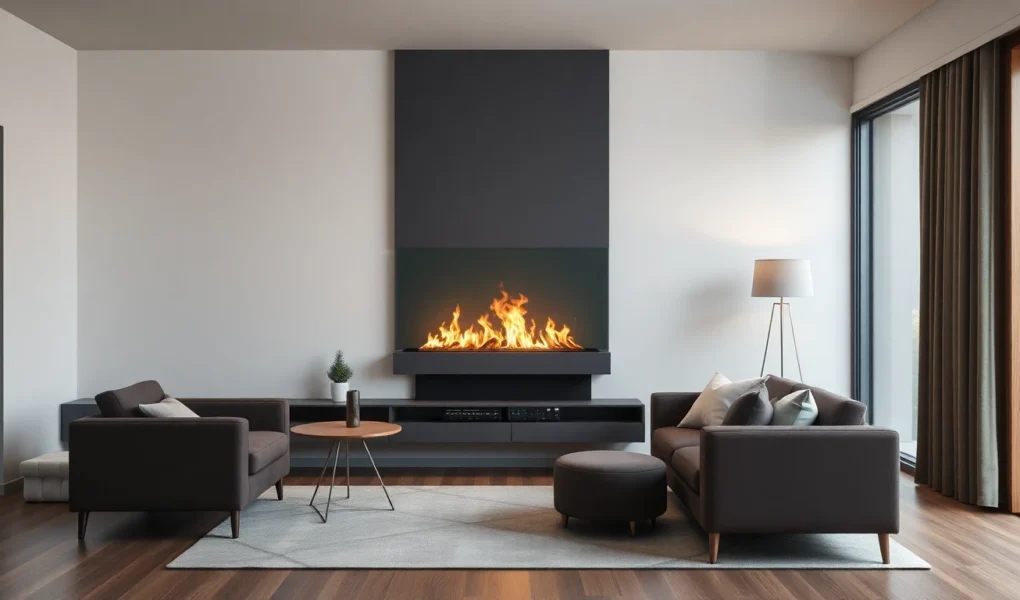
Homeowners across the UK are increasingly turning to innovative heating solutions that combine style with sustainability. A bioethanol fireplace offers exactly that—real flames without the need for a chimney, gas connection, or extensive installation work. Whether you’re renovating a Victorian terrace or fitting out a contemporary apartment, these versatile heating appliances deserve serious consideration.
What Makes Bioethanol Fireplaces Different
Unlike traditional wood-burning stoves or gas fires, bioethanol fireplaces burn a plant-based fuel derived from agricultural crops like sugarcane, corn, and wheat. This renewable fuel produces a clean flame with no smoke, soot, or harmful emissions entering your living space. The combustion process releases only small amounts of water vapour and carbon dioxide—roughly equivalent to what two candles would produce. This means you can enjoy dancing flames in any room without worrying about air quality or the need for expensive flue installations.
The technology has matured significantly over the past decade. Early bioethanol burners were simple manual units, but today’s market includes sophisticated automatic models with electronic ignition, adjustable flame heights, and even smartphone control. Safety features have improved dramatically too, with spill-proof fuel tanks, automatic shut-off sensors, and heat-resistant construction now standard on quality units.
Installation Flexibility and Design Options
One of the most compelling advantages of bioethanol fireplaces is their installation flexibility. Without the requirement for a chimney or flue, you can position these units virtually anywhere in your home. Wall-mounted designs create stunning focal points in living rooms and bedrooms, while freestanding models can be moved between rooms as needed. Built-in versions integrate seamlessly into custom cabinetry or existing fireplace openings, transforming unused alcoves into captivating fire features.
Design options span from minimalist Scandinavian aesthetics to bold industrial statements. Glass-enclosed units offer 360-degree flame visibility, perfect for room dividers or central installations. Corner models maximise space in compact rooms, while elongated ribbon burners create dramatic linear flames that complement modern architecture. Materials range from brushed stainless steel and powder-coated metal to natural stone surrounds and ceramic finishes.
Running Costs and Efficiency Considerations
Understanding the economics of bioethanol heating helps set realistic expectations. A typical burner consumes between 0.3 and 0.5 litres of fuel per hour, depending on the flame setting. With bioethanol prices averaging £3-4 per litre, running costs work out at roughly £1-2 per hour of use. This makes bioethanol fireplaces more expensive to operate than mains gas but often cheaper than electric heating, particularly during peak electricity tariff periods.
Heat output varies considerably between models, ranging from around 2kW for compact units to 5kW or more for larger automatic systems. While bioethanol fires provide genuine warmth, they’re best considered supplementary heating rather than primary heat sources. They excel at taking the chill off a room, creating ambiance during gatherings, or providing targeted warmth in specific zones without heating the entire house.
Safety and Maintenance Requirements
Operating a bioethanol fireplace safely requires following some straightforward guidelines. Always use the fuel grade recommended by your manufacturer—never substitute with other flammable liquids. Allow burners to cool completely before refuelling, and never attempt to top up while flames are present. Keep the unit away from curtains, furniture, and other combustible materials, maintaining clearances specified in your product documentation.
Maintenance demands are refreshingly minimal compared to traditional fireplaces. There is no ash to clear, no chimney to sweep, and no pilot lights to maintain. Occasional cleaning with a soft cloth keeps glass panels and metal surfaces looking pristine. Burner components may require replacement after extended use, but many manufacturers offer replacement parts and straightforward service procedures that homeowners can perform themselves.
Choosing the Right Model for Your Space
Selecting an appropriate bioethanol fireplace involves balancing several factors. Consider the room size first—larger spaces need more powerful burners to deliver meaningful warmth, while compact units suit bedrooms and home offices. Think about installation preferences: do you want something permanently fixed, or would flexibility to reposition appeal? Aesthetic compatibility matters too; the fire should complement your existing decor rather than clash with it.
Budget naturally plays a role, with prices ranging from under 200 pounds for basic wall-mounted units to several thousand pounds for premium automatic systems. Mid-range options around 500-1500 pounds typically offer the best balance of quality, features, and value. Look for established brands with good warranty coverage and accessible customer support—a bioethanol fireplace should provide years of reliable service with proper care.
Bioethanol fireplaces represent a genuinely practical alternative for homeowners who want real flames without the constraints of conventional fire installations. Their flexibility, clean operation, and contemporary styling have earned them a permanent place in modern interior design. Whether creating a cosy reading corner or adding drama to an open-plan living space, these innovative appliances deliver warmth and atmosphere in equal measure.