
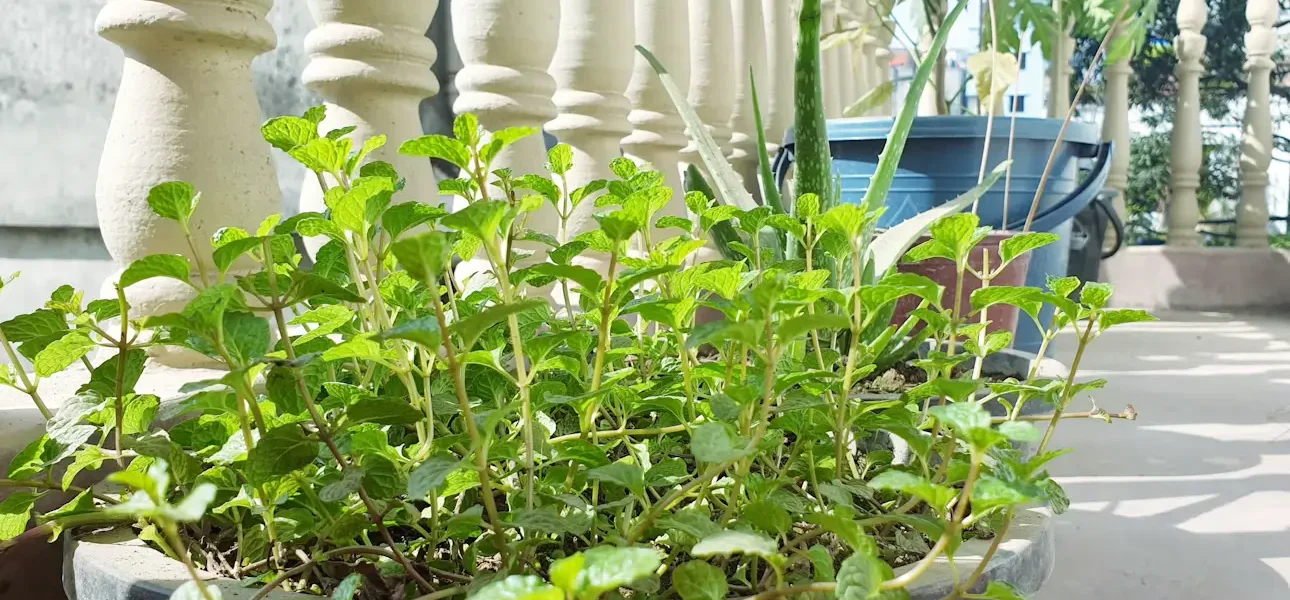
A rental garden should stay tidy through busy changeovers, missed watering and periods when nobody has time for detailed upkeep. The most reliable designs use durable surfaces, simple planting and clearly assigned responsibilities. Start by checking drainage, sunlight and access for bins or bicycles, then plan around how tenants will actually use the space. This practical approach can reduce routine jobs without leaving the garden bare or unwelcoming.
Select Resilient Hardscaping Materials
Use paving, gravel and composite boards to create surfaces that cope with regular foot traffic. Large-format paving has fewer joints where weeds can establish, whilst compacted gravel works well for secondary paths if it has a firm sub-base and secure edging. For outdoor timber edging and similar woodworking projects, corrosion-resistant stainless steel screws are suited to exposed locations.
Composite boards can also suit seating areas where annual staining would be impractical. Before specifying them, read this guide to WPC decking and check the manufacturer’s requirements for ventilation, support spacing and expansion gaps. Avoid pale, highly textured paving near bins or trees because stains and leaf debris show quickly.
Eliminate High-Effort Lawn Turf
Replace small or awkward lawns that take longer to prepare and mow than the job warrants. A narrow strip beside a fence, for example, can become a gravel path with planted borders. Larger sunny patches may suit low-growing ground-cover plants, whilst a compact paved area gives tenants somewhere practical for chairs and drying laundry.
These rental landscaping ideas highlight the value of reducing jobs that depend on frequent tenant attention. Keep some permeable ground so rain can soak away and never cover air bricks or inspection points. If you retain turf, give it straight edges and enough clearance for a mower to pass without fiddly trimming.
Anchor Decking and Raised Beds Securely
Build decking and raised beds on stable, well-drained bases, following the product manufacturer’s installation instructions. Deck joists need appropriate support and airflow, while raised beds should sit level and avoid trapping moisture against walls or fences. Fix loose boards promptly because movement tends to worsen once water enters the joint.
Choose bed heights and widths that remain easy to reach. A bed around 60 cm wide against a boundary lets most people tend it from one side without stepping onto the soil. Line timber only with a material approved for that use and leave a drainage route at the bottom. Inspect exposed fixings, board ends and support posts between tenancies.
Choose Weather-Hardy Greenery
Pick plants that suit the garden’s actual conditions, including shade, wind and soil moisture. Lavender and thyme can work in sunny, free-draining beds, while ferns and hardy geraniums are often better choices for sheltered shade. Local growing conditions vary, so confirm mature height and care needs before buying.
Limit the planting palette to a few dependable varieties repeated across each bed. This creates a more organised look and makes gaps easier to replace. The advice on low-maintenance rental gardens also supports simple choices such as hardy native plants. Apply a suitable mulch to suppress annual weeds, but keep it clear of stems, walls and drainage openings.
Set Ground Rules in Tenancy Agreements
State who handles mowing, watering, pruning and the removal of fallen leaves in the tenancy agreement. Use specific wording and realistic schedules. “Keep the garden tidy” leaves too much room for disagreement, whereas “mow the lawn during the growing season and keep paths free of weeds” gives everyone a clearer standard.
Record the garden’s condition with dated photographs at the start of each tenancy. Note any tools supplied and explain which jobs require the landlord’s approval, such as removing shrubs, installing planters or attaching items to fences. Arrange periodic professional visits for trees and larger structural plants that tenants shouldn’t maintain themselves.
A final inspection before each new tenancy should focus on loose boards, blocked drainage and failing plants. Fixing those three issues early will keep a simple rental garden looking cared for through the next season.