
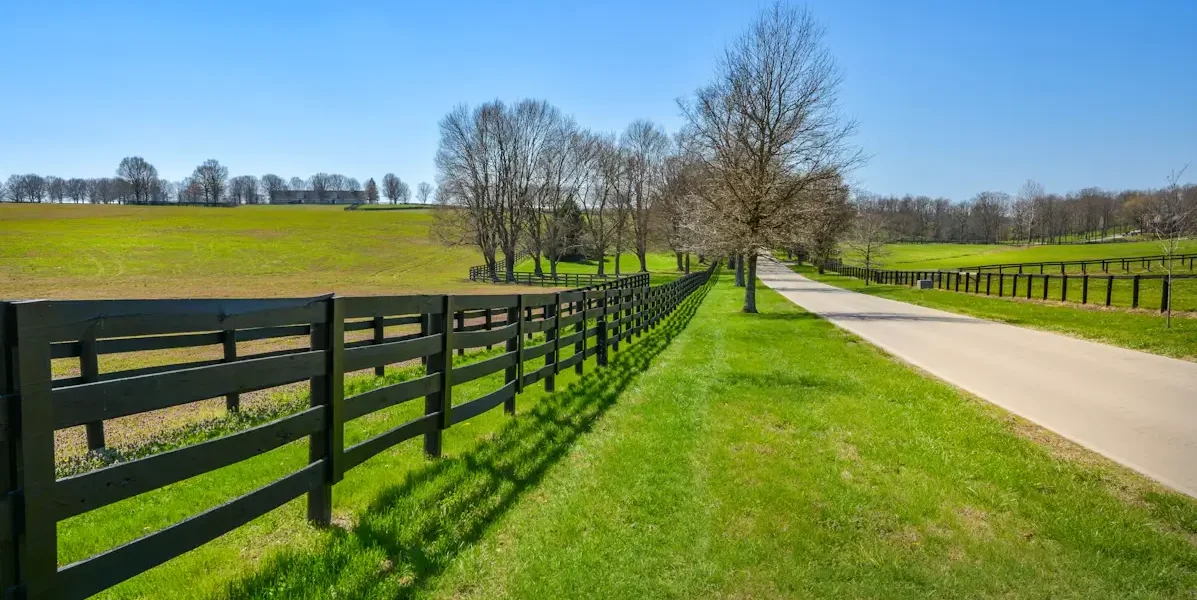
An equestrian property gains value when its land, buildings and access routes are safe, practical and visibly well maintained. Buyers will assess far more than the house itself. They’ll look at pasture condition, fencing, drainage and the amount of work required before horses can move in. Addressing these areas protects the property’s appeal while reducing the risk of expensive problems appearing during a survey or viewing.
First Impressions of Rural Real Estate
Start at the entrance and follow the route a buyer would take. Repair potholes, cut back vegetation around gateways and remove unused materials from yards and field edges. Clear access matters because buyers need to picture daily tasks such as feed deliveries, trailer movements and waste collection.
Presentation also signals how carefully the wider property has been managed. Following ways to protect the resale value of a horse property can help owners focus on maintenance that supports both appearance and long-term appeal. Clean signs, working gates and tidy storage areas can strengthen that impression. Keep verges trimmed, ensure outdoor lighting works and label utility controls clearly. A simple site plan showing paddocks, water points and access routes can also help buyers understand the holding quickly.
Routine Turf and Soil Rejuvenation
Healthy pasture adds practical and visual value, so inspect each paddock for bare ground, compacted areas, weeds and standing water. Arrange soil testing before applying fertiliser or lime because nutrient needs and acidity vary between fields. A test every three to five years gives you a useful baseline and helps avoid unnecessary treatments.
Seasonal field harrowing can break up dead vegetation, spread organic matter and encourage stronger grass growth when ground conditions are suitable. Combine this with overseeding thin areas and resting paddocks long enough for new grass to establish. Avoid heavy machinery when soil is saturated, as deep compaction may reduce drainage and root development. Keep dated records of testing, treatments and pasture rotation to show prospective buyers that management has been planned.
Secure Fencing and Boundary Upgrades
Walk every boundary and check posts, rails, gates and fixings at close range. Loose components, sharp edges and sagging sections can raise immediate safety concerns during a viewing. Replace damaged materials with consistent, suitable fencing and ensure gates open freely without dragging across the ground.
Prioritise high-use areas such as gateways, turnout routes and boundaries beside roads. Practical horse property improvements often include straightforward repairs that make the site look cared for without requiring a complete redevelopment. Before replacing or altering boundary fencing, check the relevant UK garden fence height rules, particularly where fencing sits beside a road or public footpath. Confirm boundary positions against the property documents before moving a fence line or installing new posts. Where neighbouring livestock share a boundary, check that the design suits both sides. Numbered gates and clearly divided paddocks also make grazing plans easier to explain during viewings.
Stabling and Drainage Infrastructure
Inspect stables for roof leaks, damaged flooring, poor ventilation and doors that no longer close correctly. Repair faults promptly and keep passageways clear. Buyers will also examine water and electricity supplies, so label isolation points, protect fittings from accidental damage and retain invoices for recent electrical or plumbing work.
Drainage deserves equal attention. Clear gutters, channels and yard drains, then watch where water travels during heavy rain. Persistent puddles near stable entrances may indicate blocked outlets, compacted ground or an inadequate fall in the surface. Record any drainage upgrades and arrange professional advice if water enters buildings or remains for several days.
A well-presented equestrian property should demonstrate that its systems work throughout the year. Evidence of regular pasture care, sound boundaries and dry, functional stabling gives buyers specific reasons to trust the asking price.